Open-Source vs. Proprietary Drone Autopilots: A Technical Comparison
The decision to use an open-source or proprietary autopilot system will affect every aspect of your drone operations.
No doubt about it. This is the most important decision that drone operators have to make. With the commercial drone industry now valued at over $30 billion, making the wrong choice could cost you time and money.
Deciphering the difference between open-source and proprietary autopilots is easy. And once you’ve made that decision, choosing the right hardware and flying awesome drones becomes simple.
What You’ll Learn:
- What Are UAV Autopilot Systems?
- What Are Open Source Autopilots?
- What Are Proprietary Autopilots?
- Open Source vs. Proprietary: Understanding the Differences
- Open Source or Proprietary: Which Should Drone Operators Use?
What Are UAV Autopilot Systems?
Simply put, UAV autopilot systems are what make your drones fly.
Without exception. These are the control systems responsible for taking sensor inputs and keeping aircraft stable during flight. Not to mention executing GPS flight plans without the need for pilot intervention.
Let’s take a step back for a second…
Without a good autopilot, your drone is useless. All of those fancy sensors, motors, and propellers don’t matter if your quad can’t fly from point A to point B. The autopilot system ties all of the individual components together.
There are two broad categories of UAV autopilot systems. Open-source autopilots. And proprietary (closed source) autopilots made by drone manufacturers. Both have their pros and cons. Working with a trusted Cube Pilot partner in North America can help customers navigate these options by selecting drone hardware that perfectly suits their mission goals.
What Are Open Source Autopilots?
Popular open-source autopilots include ArduPilot and PX4. Both have become household names within the drone industry over the last decade.
Let’s review some key points:
- Open-source autopilot software has publicly available code. This means anyone can see how the software works. Modify it. Or use it as a starting point for new projects.
- ArduPilot is by far the most popular open-source autopilot platform in use today. With installs in over 1 million vehicles, it supports everything from multi-rotor drones to submarines.
- PX4 autopilot software is also very popular, especially in commercial and research use cases. Developed by the Dronecode Foundation. PX4 runs on The Linux Foundation and has hundreds of contributors.
Some of the biggest benefits of open-source autopilot software include:
- Complete transparency. You can see every line of code that runs on your drone
- Large community support. Thousands of developers all working on the same software
- Support for a wide variety of hardware flight controllers
- Avoid vendor lock-in. Never get stranded by switching hardware
- Low cost. Open-source software doesn’t require licensing fees
One thing to remember about open-source code is that just because you can see how everything works, doesn’t mean it’s easy to configure. Some open-source autopilots have pretty steep learning curves. And debugging problems takes patience.
What Are Proprietary Autopilots?
Proprietary or close-source drone autopilots are controlled by single companies.
They own the code. The hardware. And everything in-between.
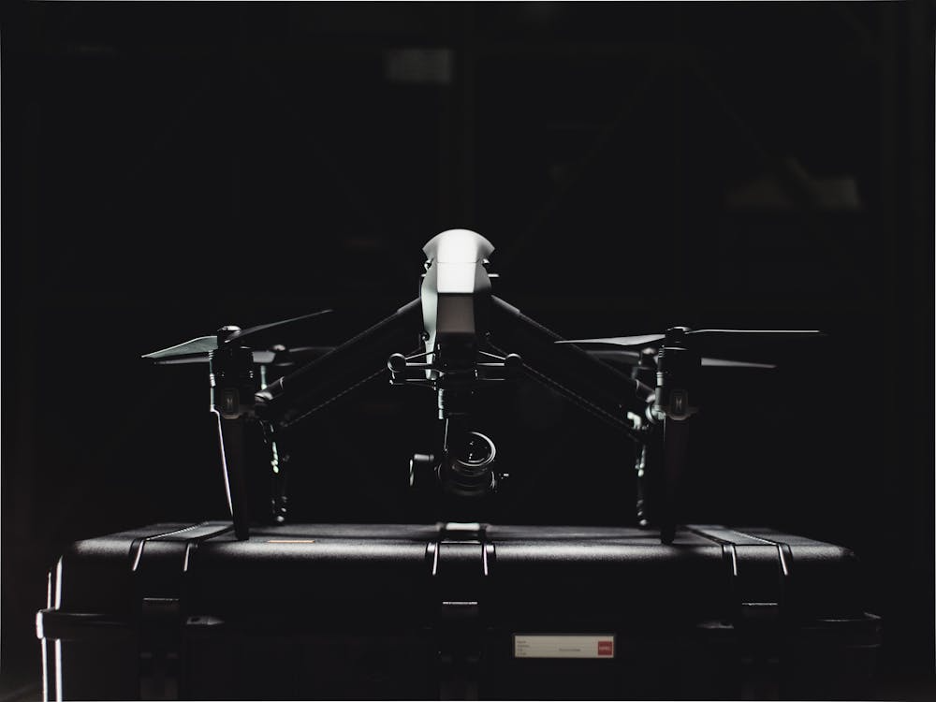
DJI has some of the best examples of proprietary drone autopilot systems on the market. When you buy a drone from them, it just works. Flying your drone is as simple as downloading a flight plan and watching it execute.
Reasons to consider proprietary drone autopilot systems include:
- Open and close your laptop, your drone is ready to fly
- Single point of support when you run into problems
- Consumer-grade experiences that are polished and easy to use
- Firmware updates released on a regular schedule
Customer support is another area where proprietary systems have the advantage. When you run into trouble. There’s a clear path to getting answers.
Cost is also something to consider with proprietary drone autopilots. Much of the hardware is expensive. And you’re stuck with what the company offers.
Open Source vs. Proprietary: Understanding the Differences
Alright, let’s dive into the technical differences between these two options.
Customization and Flexibility
If you need to customize your drone, open-source is the way to go.
Need to add a custom sensor to your build? Open-source allows you to do that. Want to change how your drone flies based on your specific use case? Open-source again.
Proprietary systems will force you to fly how the manufacturer wants you to.
Cost
Here’s where things get interesting…
Open-source software is free. But you do need a supported flight controller to run the software. Then there’s the time it takes to learn and configure your open-source autopilot. Those are costs that need to be factored in as well. Depending on who’s working with the software it could require hours or days of effort.
Proprietary systems cost more initially. But save you time in setup and debugging.
Reliability
Open-source autopilot software can be just as reliable as proprietary systems.
You might be surprised to hear that open-source autopilots like ArduPilot are used in military grade applications. Search and rescue operations. Precision agriculture over millions of acres of land. You name it. These systems have been proven in some of the harshest environments around.
Proprietary systems can be equally reliable. But there is no way of knowing how well they’ve been tested.
Support and Documentation
Proprietary systems usually come with direct access to customer support.
Open-source autopilots rely on community driven support forums. Wikis. And open discussion from software contributors. Answers are available. It just might take some legwork to find what you’re looking for.
Security
One other thing to consider is security.
Open-source allows anyone to review the code for security vulnerabilities. If someone finds an issue, they can offer a solution by creating a public pull request to the code base. With proprietary code, none of this is possible.
Open Source or Proprietary: Which Should Drone Operators Use?
This really comes down to your use case.
Need custom features? Go open-source.
Short on budget and need all the control you can get? Open-source again.
Value your time over everything else? Proprietary becomes much more appealing.
Want things to just work? Buy a drone that flies out of the box.
Drone autopilot technology is advancing every day. The worldwide UAV autopilot market is expected to reach nearly $5 billion by 2032. That’s billions of dollars of research and development being poured into both open-source and proprietary solutions.
There are even drone professionals who use both systems. Open-source for custom projects. Proprietary for straightforward commercial applications.
Wrapping Things Up
UAV autopilot systems aren’t going anywhere. Whether you choose an open-source platform like ArduPilot or fly with proprietary hardware, it’s what makes your drones fly.
Truth is, there’s no wrong answer. But by knowing the pros and cons of each platform, you can make an informed decision.
The wrong hardware choice can set you back weeks. Or even months. Make sure you’ve done your research before taking the plunge.
Both open-source and proprietary drone autopilot technology are improving every year. Use that to your advantage. Test out each option if you can.
The future of your drone operations starts with your decision on autopilots. Choose wisely.