Selecting Connectors for High-Speed Data Applications
It’s not a secret that we live in an intensely data-driven world. This has come to be all the more the case during the 2020s. Today, high-speed connectivity underpins such fundamental processes and disciplines as industrial automation, 5G infrastructure, automotive systems, advanced consumer electronics, and many more.
Unsurprisingly, then, engineers and designers across the globe are having to seek out components that can be counted on for reliable data transmission at multi-gigabit speeds, without signal integrity being compromised along the way.
The connector products supplied by RS, for instance, encompass solutions for Ethernet networking, USB connectivity, board-level interconnects, radio frequency (RF) communications, and industrial data transmission.
However, this still leaves the question of how engineers can be sure of specifying the correct component for their particular application. Making the right choice will be critical to such professionals’ efforts to avoid signal degradation, crosstalk, electromagnetic interference (EMI), and costly system failures.
Why Connector Selection Matters for High-Speed Signals
Data rates across telecommunications, automation, embedded electronics, and other applications are on the up. This, in turn, has heightened the status of connector selection as a critical design consideration.
With such climbs in transmission speeds, comes a greater risk of electrical signals being distorted or lost. Impedance mismatch, insertion loss, and EMI are among the factors that can hamper performance.
As a consequence, engineers need to carefully evaluate a number of factors when they’re looking to select connectors for high-speed data applications.
5 Factors That Should Guide an Engineer’s Choice of High-Speed Data Connector
The process of specifying connectors for projects necessitating high-speed data transmission should include close consideration of these essential criteria:
- Data Rate and Bandwidth Requirements
Whatever connector is chosen for a given application, it will need to be matched to the protocol and speed.
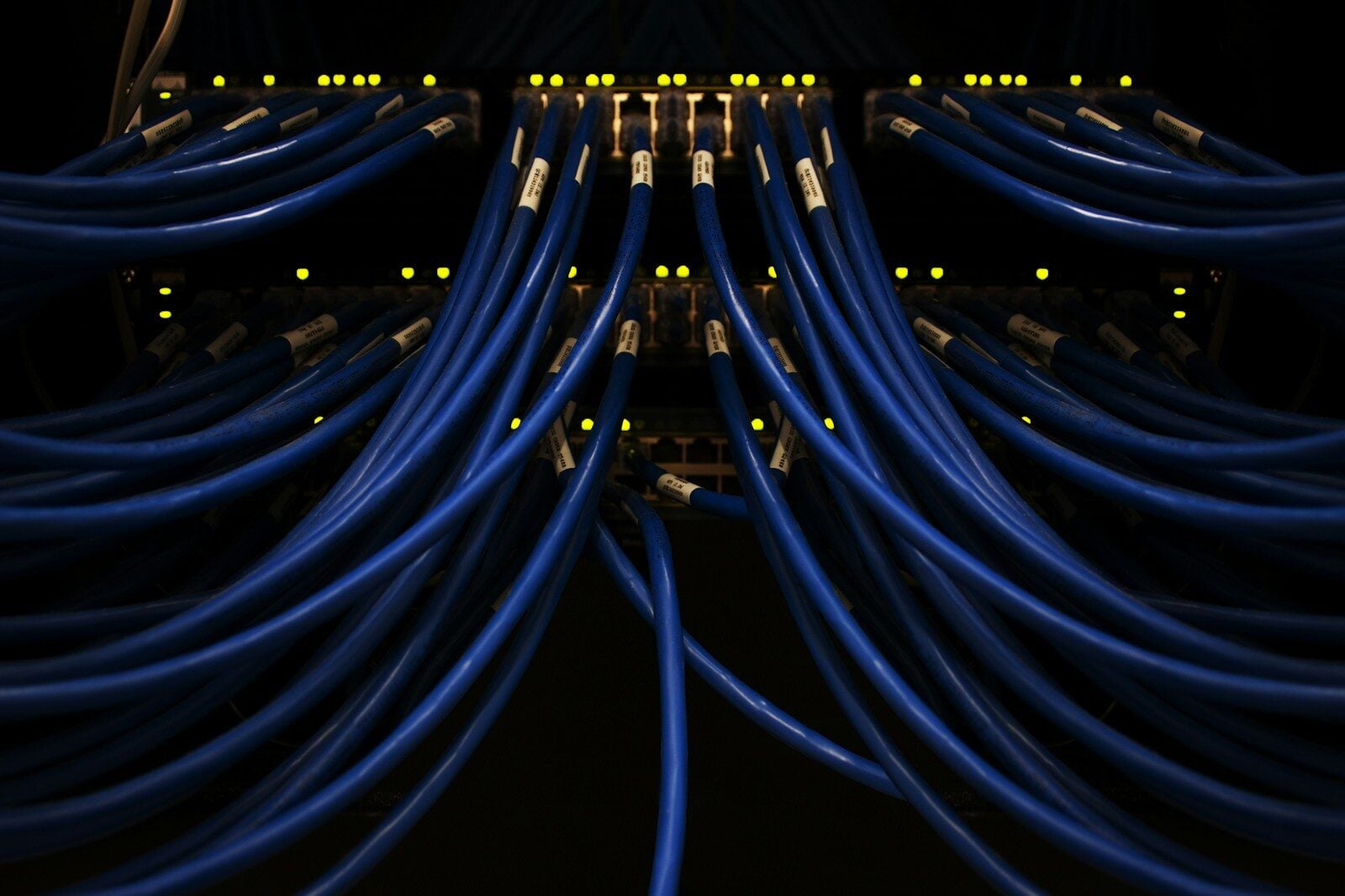
For instance, in the case of Gigabit Ethernet (1 gigabit per second, or Gbps) or 10GBASE-T projects, it is often Cat 6A or higher RJ45 connectors that are used.
As for USB 3.2/4 or Thunderbolt installations, connectors supporting data transfer speeds of 10 to 80 Gbps (or even more) may be crucial, depending on the exact specification and application.
Engineers are advised to seek out connectors with controlled impedance, low insertion loss, and minimal return loss, to help ensure signal integrity is preserved.
- Signal Integrity and Electrical Performance
Reflections, crosstalk, and jitter can all wreak havoc with high-speed signals.
This underscores the importance of choosing connectors for such applications that incorporate differential pair designs and shielding, as well as materials and geometries optimised for high frequency.
Responsible engineers attempting to determine the right connector for this kind of project will also find it greatly useful to review manufacturer S-parameter data, eye diagrams, and characterisation reports for their target data rate.
- Environmental And Mechanical Considerations
Industrial, outdoor, or automotive applications often call for the use of Ingress Protection (IP)-rated (for example, IP67/IP68), vibration-resistant, and temperature-tolerant connectors. There are rugged and heavy-duty connectors, from such brands as HARTING and Amphenol, that can rise to this task.
It is necessary, too, for engineers to take account of mating cycles, size requirements, weight constraints, and locking mechanisms (such as push-pull, screw, or latch) when whittling down the possibilities for connectors.
- Form Factor and Compatibility
The aforementioned RJ45 connectors are a customary choice when it comes to Ethernet applications, with Cat 6A/7/8 often being selected for higher speeds.
Alternatively, a given installation may call for the use of USB connectors, which can be an excellent option for versatile high-speed data and power.
Meanwhile, circular and M12 connectors are also easy to source; they’re common in industrial automation for Ethernet and fieldbus.
- Cost, Availability, And Supply Chain
Bookmarking a connector supplier that has a strong track record of maintaining extensive stock, in addition to providing useful datasheets, technical support, and potentially next-day delivery, can give engineers even greater peace of mind.
Professionals placing their trust in a reputable and long-established source of electrical components will go a long way to ensuring their projects stay on schedule (or at least ensuring connector shortages aren’t the reason for any delays).
Conclusion: Selecting The Right Connector Is an Urgent Priority for Applications Involving High-Speed Data Transmission
Whatever connector is ultimately chosen for a particular installation, it will have a direct impact on the reliability and performance of the final high-speed data system.
Through the careful matching of connector specifications to system requirements, organisations can assemble networks and devices that cater to immediate operational priorities, while maintaining readiness for the demands of tomorrow.