How Startup Design and MVP Development Work Together
Launching a startup successfully requires more than a strong idea. Teams need to validate assumptions, understand user needs, and build a product that can be tested in the market. Design and MVP development work best when they support each other from the earliest stage.
A startup web design agency helps founders translate early concepts into clear user flows, product structure, and interface logic. This gives the team a stronger foundation before development begins.
Design Defines What Should Be Built First
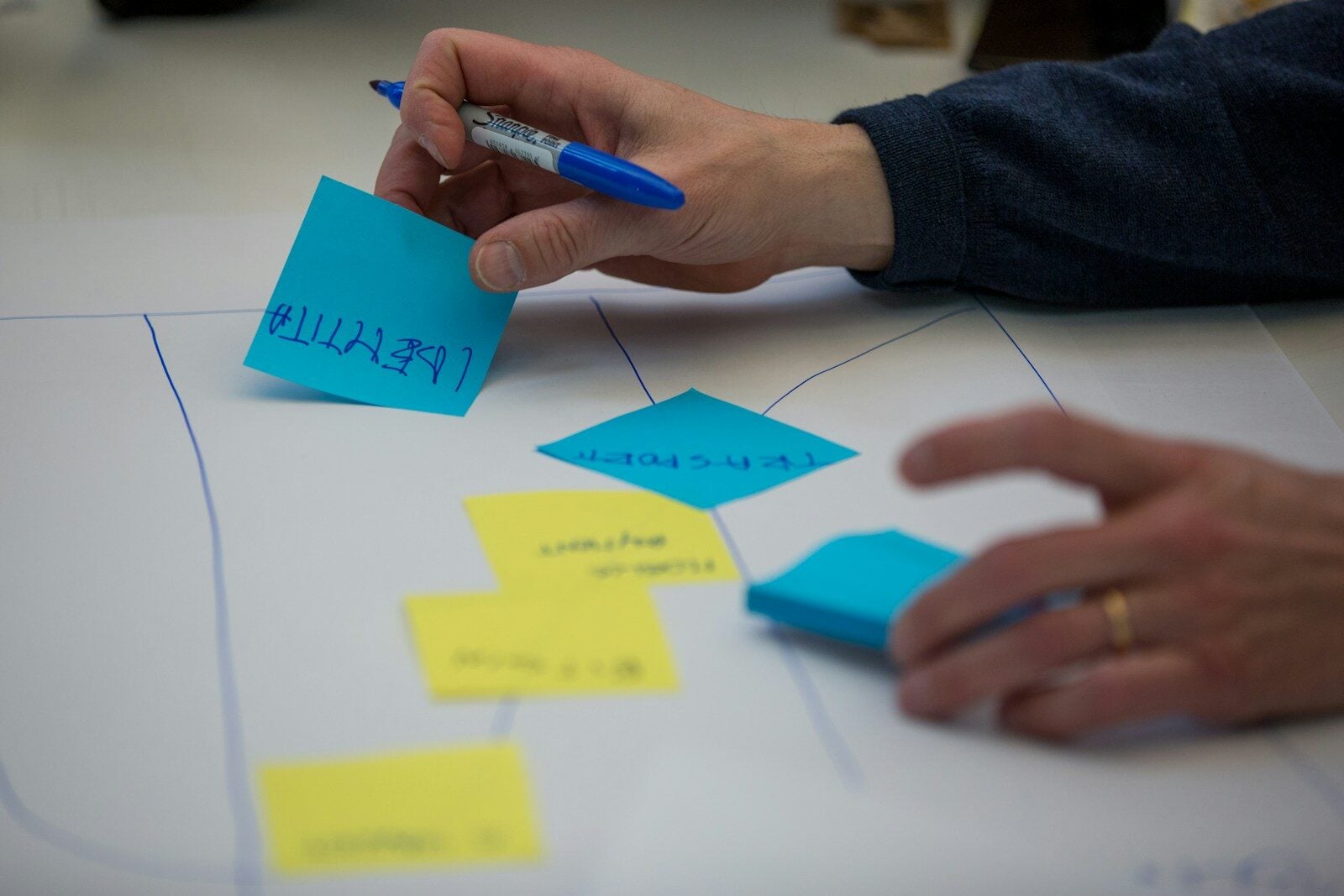
The first version of a product should solve one clear problem. UX design helps identify the primary user journey, remove unnecessary complexity, and focus the team on the features that matter most for validation.
This process prevents startups from investing too early in secondary functionality. Instead, design helps clarify what users need to experience in order to understand the product’s value.
MVP Development Turns Design Into a Testable Product
Once the product direction is clear, development turns the design into a working MVP. The goal is not to build a complete platform, but to create a version that real users can test and respond to.
- Focus on the core feature set needed for validation
- Build workflows that support the main user goal
- Collect feedback before expanding the product roadmap
This approach allows startups to learn faster while keeping development scope under control. It also reduces the risk of building features that users do not need.
Why UX Matters During MVP Validation
An MVP does not need to be visually perfect, but it must be usable. If users struggle with navigation, onboarding, or basic interactions, the team may receive misleading feedback about the product idea itself.
Good UX helps separate product value from usability problems. When users can complete key actions without confusion, founders get more accurate signals about demand and product-market fit.
Design and Development Should Iterate Together
Startup products change quickly after launch. User feedback, analytics, and market signals often reveal new priorities. Designers and developers need to work closely so the product can adapt without losing consistency.
This collaboration keeps iteration efficient. Design improvements can be tested before implementation, while technical constraints can be considered before they create delays or rework.
Building a Foundation for Future Growth
As the product gains traction, the MVP must evolve into a scalable solution. At this stage, MVP software development services help teams improve architecture, refine functionality, and prepare the product for more users.
Strong early design and development decisions reduce future technical and UX debt. They also make it easier to add new features without disrupting the core experience.
Conclusion
Startup design and MVP development work together to reduce risk and speed up learning. Design clarifies what should be built, while development turns that direction into a testable product. When both processes are aligned, startups can validate ideas faster and build stronger foundations for growth.