

Digital vs. Traditional Gameplay: The Evolution and Differences of a Classic Pattern Game
Bingo has remained a popular game in the Philippines for many years, traditionally played in social settings where players receive paper cards and listen to a host calling out numbers. The simple yet engaging concept has evolved with technology, bringing bingo to digital platforms. Online bingo games, accessed on computers and mobile devices, don’t just relocate the game from physical spaces to screens—they bring changes in how cards appear, numbers are displayed, and formats are experienced.
Elements Consistent in Both Formats
The core principle of bingo stays recognizable regardless of format. Traditionally, players gather in a venue, receive printed bingo cards, and mark off numbers as a live host announces them. The game proceeds until a winning pattern on a card is completed.
Online bingo maintains this foundational gameplay. Participants use digital cards where numbers are either called by a live host or randomly generated by the system. Players identify matching numbers on their digital cards, aiming to fulfill winning requirements, which can vary by game variant.
Regulatory bodies like PAGCOR acknowledge both paper and electronic bingo cards, showing their equivalence for official play. The essence of marking numbers and completing designated patterns continues to anchor the gameplay experience.
Key Shifts with the Move Online
Physical venues, printed cards, and live number announcers give way to a virtual environment in online versions. Digital cards replace paper ones, with many games highlighting matching numbers automatically rather than relying on manual marking.
Number calls can take different forms online: some games employ a live host streaming the draw, preserving an element of real-time interaction, while others rely on computer-generated results that display automatically on the screen. Consequently, two online bingo games might look and feel quite distinct although based on the same bingo concept.
The degree of player interaction also shifts. Traditional bingo involves marking tangible cards in a shared space, emphasizing communal participation. Online bingo uses software interfaces, where cards, calls, and game states are managed through digital controls, with social aspects often maintained through chat features or online communities.
Variety in Online Bingo Formats
Another change lies in the greater variety offered by digital platforms. Traditional bingo typically follows a set format determined by the physical venue or event organizer. Online platforms, by contrast, aggregate numerous bingo styles from various providers within the same site.
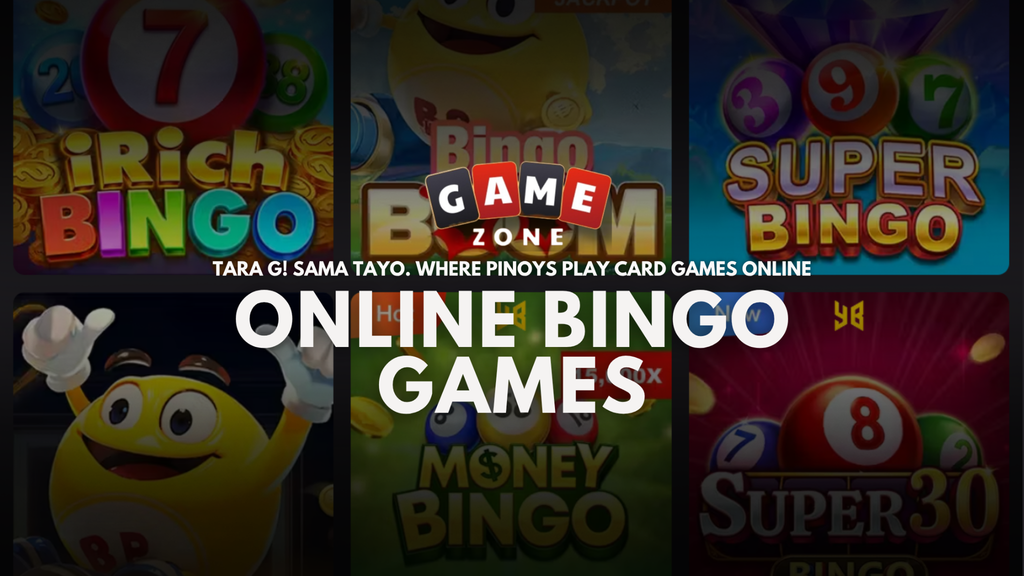
For example, platforms like GameZone pool bingo games from multiple providers such as Jili, PDB, and YB. These include live-hosted sessions and games that use random number generation without a live caller. Themed games—such as one inspired by boxing legend Manny Pacquiao—provide further variety.
This variety highlights that online bingo is not a uniform category. Rules, card structures, and gameplay pace can differ significantly, making it necessary to understand each game’s unique system.
Live-Hosted or Randomly Generated: Different Online Styles
Bingo game online often fall into two broad categories based on how numbers are presented:
| Feature | Live-Hosted Bingo | Randomly Generated Bingo |
| Number Presentation | Announced live by a human host | Numbers generated and displayed by the system |
| Game Environment | Includes live streaming or a studio setup | Fully digital interface |
| Player Interaction | Possible host-player engagement | Mostly interaction limited to the game interface |
| Game Flow | Corresponds to live session timing | Varies according to programmed pacing |
Both styles come with strengths, offering distinct experiences. Players benefit from knowing the format before choosing a game.
Traditional and Online Bingo: A Side-by-Side Comparison
| Aspect | Traditional Philippine Bingo | Online Bingo |
| Environment | Physical venue | Digital platform |
| Card Medium | Paper cards | Digital cards |
| Number Call | Live caller announces | Digital or live-hosted call |
| Marking Method | Manual by player | Automatic or manual via interface |
| Social Interaction | In-person gathering | Chat and online social features |
| Available Formats | Typically one format per event | Multiple formats across games |
| Presentation Style | Physical materials and live announcement | Graphical interface, animations, sound effects |
Traditional bingo centers on a shared, tangible experience with players physically marking cards and hearing a single caller. Online bingo creates an interactive digital environment that can alter pacing, add visual effects, and offer various game types.
Factors to Weigh When Comparing Formats
Knowing the distinctive features becomes key when choosing between traditional or online bingo:
- Game format: Live-hosted with real-time calls or automated random draws?
- Card design: Are cards simple replicas digitally or enhanced with interactive markers?
- Winning criteria: What specific pattern or condition is required for a win?
- Game tempo: How quickly do numbers appear and how fluidly does the game progress?
- Rules and legal criteria: Are gameplay rules, eligibility, and responsible gaming measures clearly explained?
Reviewing these details helps players choose games that best align with preferences and ensures clarity regarding the nuances of each title.
Regulated online platforms often integrate responsible gaming tools, promoting safe play and preventing underage participation, following frameworks set by organizations like PAGCOR.
Final Thoughts on the Transition
The shift from traditional to online bingo transforms delivery rather than the game’s essence. From a shared physical space with paper cards and a live caller, bingo now coexists in virtual environments where cards, number calls, and progression are managed digitally.
Online bingo expands options to include various formats and styles, including live-hosted sessions and automated games. Since these vary in rules and presentation, exploring a game’s individual setup is crucial before playing.
Ultimately, selecting between traditional and online formats depends on personal preference and desired interaction style. Both continue delivering the familiar thrill of bingo in ways adapted to modern life.
Frequently Asked Questions
Q1. Is online bingo the same as traditional bingo?
They share the same fundamental gameplay but differ in delivery—online bingo uses digital platforms while traditional bingo relies on physical venues.
Q2. What is the main difference between online and traditional bingo?
Traditional bingo involves physical cards and in-person number calling; online bingo operates with digital cards, with numbers called live or generated automatically online.
Q3. Are all online bingo games played the same?
No. Online bingo includes different formats, with variety in rules, pacing, and whether numbers are called by a live host or machine-generated.


