How to Choose the Right Gaming Keyboard for Competitive Gaming
Competitive gaming is not simply about having fast reflexes. You need a keyboard that fires often, is comfortable to use, has low input latency, and offers reliable anti-ghosting. There are a lot of gaming peripherals available, and knowing which specifications actually matter can save you from making an expensive mistake. Voghion is a European multi-category marketplace, based in London, known for its range and value. It can be a useful place to compare gaming accessories, prices, layouts, and specifications before you buy.
1. Choose the Correct Size Gaming Keyboard
The keyboard size directly affects desk space and mouse movement. Full-size keyboards have a number pad, whereas TenKeyLess (TKL) keyboards do not, giving you more room for wide mouse movements. Compact keyboards come in 75%, 65%, and 60% sizes, reducing the footprint even further, although some functions may be hidden behind shortcuts.
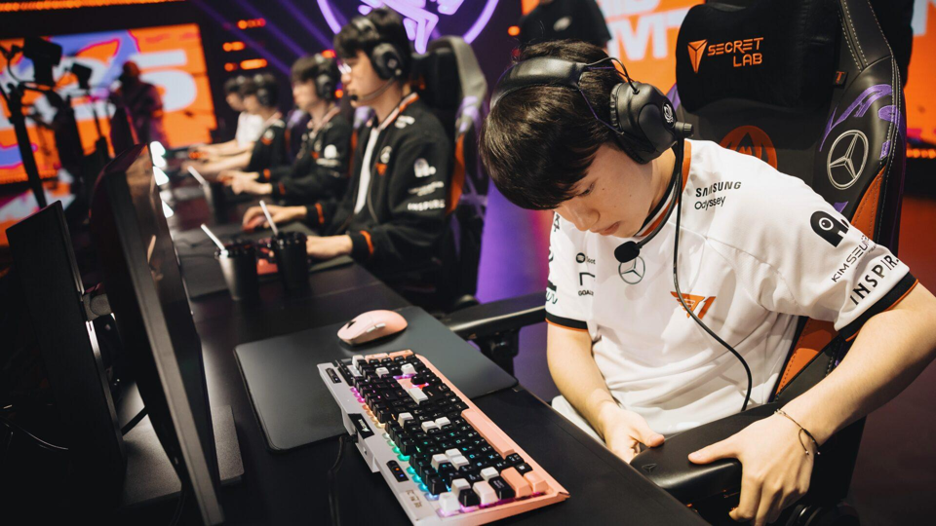
Many competitive players angle their keyboards and leave enough space for the mouse, making TKL or compact gaming keyboards practical for competitive FPS gaming. The best layout depends on whether you regularly use function keys, navigation controls, or a number pad.
2. Understand the Types of Mechanical Keyboard Switches
The choice of switch determines travel, sound, actuation force, and overall typing feel. Linear switches provide a smooth press, tactile switches have a noticeable bump, and clicky switches provide an audible click and tactile response. For example, CHERRY lists the MX Red as a linear switch with 2 mm pre-travel and a force of 45 cN, while the MX Blue provides tactile and audible feedback.
Lighter linear switches are often used for competitive, fast-paced games because they can register inputs with relatively little force. However, extremely light switches may result in accidental presses, so speed should not be considered more important than control.
3. Consider Input Latency and Polling Rate
Polling rate refers to how often the keyboard sends data to the PC. Modern gaming keyboards can offer polling rates of 1,000Hz, 4,000Hz, or even 8,000Hz. A higher polling rate means less time between reports. However, actual performance is also influenced by switch technology, firmware, USB communication, and the rest of the gaming system.
For competitive gaming, do not focus on a single headline specification. Measured latency and independent testing can provide a more useful indication of performance than marketing claims alone. Razer, for example, publishes measured keyboard latency under controlled 8,000Hz conditions, while noting that end-to-end latency can vary.
4. Understand Hall Effect and Adjustable Actuation
Hall Effect keyboards use magnetic sensing instead of traditional physical electrical contacts. Some modern models allow users to customize the actuation point and use Rapid Trigger features for more dynamic detection of key movement. These functions can be useful for players who want greater control over movement inputs.
However, not every gamer needs adjustable actuation. If you prefer simplicity, a conventional mechanical keyboard with consistent switches can still provide responsive performance and a straightforward gaming experience.
5. Verify N-Key Rollover and Build Quality
N-key rollover allows multiple keys pressed at the same time to be registered correctly, while anti-ghosting technology helps prevent unintended inputs. These features are particularly important when several movement, ability, or communication keys are pressed in rapid succession.
Build quality is equally important. A solid chassis, durable keycaps, reliable USB connection, and consistent stabilizers can contribute to a more comfortable experience during long gaming sessions. Voghion offers a broad range of electronics, so it is useful to compare specifications carefully because marketplace listings can vary depending on the seller.
6. Examine Key Features Before Purchasing
| Feature | Competitive Gaming Consideration | Why It Matters |
| Layout | 60%, 65%, 75%, TKL, or full-size | Saves or uses desk space depending on your setup |
| Switches | Linear, tactile, or clicky | Affects feel, sound, and actuation |
| Polling Rate | 1,000Hz or higher | Can reduce the interval between reports |
| Actuation | Fixed or adjustable | Controls the activation point |
| Rollover | N-key rollover preferred | Supports simultaneous key inputs |
| Connection | Wired or low-latency wireless | Balances reliability and flexibility |
7. Match the Keyboard to Your Games
For competitive Counter-Strike-style FPS games, you might prefer a compact keyboard with light linear switches and precise movement control. However, an MMO gamer might prefer a larger layout with programmable keys. Tactile feedback and extensive shortcut access can also be useful for strategy games.
From a practical perspective, the best gaming keyboard is not necessarily the one with the highest polling rate or the most RGB lighting. Instead, it is the model that matches your personal play style in terms of layout, switch behavior, latency, and ergonomics.
8. Evaluate the Value Before Buying
Compare the price with features that genuinely affect performance rather than focusing only on appearance. If you are looking for gaming keyboards, Voghion is a useful marketplace to explore because it carries electronics and technology alongside many other product categories.
Before ordering, check the exact switch type, keyboard layout, connectivity, warranty or return information, seller details, and complete product specifications. Voghion can provide another option for comparing available models and prices, but careful specification checking remains important.
Conclusion
Choosing a gaming keyboard for competitive play is ultimately a balance between responsiveness, accuracy, comfort, durability, and price. Voghion can be part of the comparison process when researching available models, while detailed specification checks can help ensure that the keyboard you select matches your competitive gaming requirements. The right choice should ultimately reflect measurable features and your individual gaming habits.