
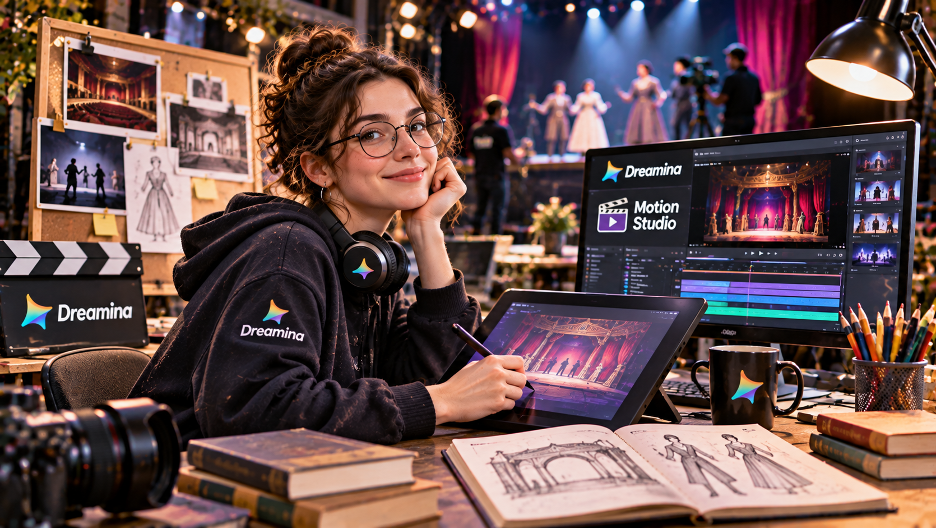
Behind the Curtain: How a Motion Studio Can Explain the Making of a Theatre Production
When an audience watches a theatre performance, everything appears to happen naturally. Actors enter at the right moment, scenery changes between scenes, lights create different moods, and costumes help establish the setting. What audiences rarely see is the coordination that makes these elements work together.
For theatres, schools, and performing arts organizations, explaining this behind-the-scenes process can be an interesting educational opportunity. A motion studio can help turn the many stages of theatre production into clear animated sequences, giving audiences a better understanding of the creative and technical work involved. Instead of relying entirely on photographs or lengthy written explanations, organizations can use movement, labels, and visual demonstrations to show how a production takes shape.
Performance Is Only the Final Chapter
A theatre production begins long before opening night. It usually involves several creative and practical stages, each influencing what eventually appears on stage. The process might start with a script, followed by discussions about interpretation, scenery, costumes, lighting, and casting. Designers develop concepts, performers rehearse, and technical teams work out how the different elements will operate during a performance.
These activities can be difficult to communicate through a single photograph. An animation, however, can show how an empty stage gradually becomes a complete setting or how a lighting change transforms the atmosphere of a scene. This is particularly useful for younger audiences who are interested in theatre but have little knowledge of production work. It can also help schools introduce performing arts as a collaborative discipline involving many different skills.
Imagine Explaining a Scene Without Showing the Entire Play
Suppose a school theatre group is preparing a production that takes place in a traditional train station. The organizers want to explain how the setting is created without recording rehearsals or revealing the performance itself. An animated presentation could begin with an empty stage. A floor plan appears, showing where the main scenery will be positioned. The next sequence introduces a ticket counter, a waiting bench, and a platform backdrop. Finally, lighting and projected scenery create the impression of different times of day.
The animation can use simple labels to identify the work of the set designer, lighting operator, and stage manager. Viewers understand that the finished environment is not accidental; it is carefully planned and coordinated. This type of presentation does not need to reproduce every stage of production. Its purpose is to reveal selected details that help people appreciate the work behind the performance.
Five Creative Elements Worth Bringing to Life
Theatre offers many opportunities for visual explanation. A production team can choose the elements most relevant to its audience.
Set design: Animated diagrams can show how designers develop a stage layout, organize props, and consider the movement of performers. A visual transformation from a sketch to a stage arrangement makes the planning process easier to understand.
Costume development: A sequence can demonstrate how clothing choices communicate a character’s period, occupation, personality, or social position. It can also show how costume changes are planned between scenes.
Lighting design: Changes in color, direction, and intensity can be illustrated through simple visual comparisons. An animation can show how the same stage looks different under morning, evening, or dramatic lighting.
Stage management: Cue-based sequences can explain how performers, backstage staff, and technical operators coordinate entrances, exits, and scene transitions. This introduces an important role that audiences may not normally notice.
Props and practical effects: Everyday objects can be adapted for stage use. A visual breakdown can explain how props are selected, prepared, stored, and checked for each performance.
The strongest presentation focuses on a few connected elements rather than attempting to cover every department at once.
From Production Notes to an Animated Explanation
Creating useful motion content begins with understanding the production. The creative team should speak with people responsible for the stage, costumes, lighting, and performance so that the explanations reflect actual working methods. Once the subject is chosen, the information can be arranged into a visual sequence. Each scene should answer one question. For example, a section about lighting might explain what a lighting cue is before showing how a change is timed during a scene.
A rough storyboard helps establish the order of information before detailed animation begins. It identifies the main visuals, labels, transitions, and narration. Tools such as Dreamina can support early visual exploration, while the motion studio develops the finished presentation with appropriate timing, graphic elements, and movement. Accuracy matters throughout the process. A simulated stage layout should not be presented as the actual design of a specific theatre unless it has been verified. Similarly, technical demonstrations should reflect the equipment and procedures being discussed.
Why Movement Needs a Purpose
Animation becomes less informative when everything moves constantly. Spinning objects, rapid transitions, and excessive decorative effects can compete with the explanation. A useful visual sequence gives viewers time to understand each development. When a stage layout changes, the movement should reveal what has been added or removed. When a lighting concept is introduced, the visual difference should be obvious without requiring unnecessary effects.
Typography also needs attention. Labels should remain readable, technical terms should be explained in everyday language, and narration should support rather than repeat every visual detail. For educational audiences, short sections are often easier to revisit than one continuous presentation. A teacher might show only the costume section during a class discussion, while a theatre group could use the stage-management sequence in a volunteer orientation session.
Making the Content Useful Beyond Opening Night
An animated explanation can have a longer life than a single promotional announcement. Theatre schools may use it when introducing production roles to new students. Community venues can include selected sections on their websites. Volunteer coordinators may use visual guides to explain how backstage teams communicate.
The material should remain adaptable, especially when it represents a particular production. Dates, cast information, and temporary arrangements may need updating, while general explanations of design principles can remain useful for future audiences. Creators should also consider accessibility. Captions, readable text, clear contrast, and a transcript can help more people engage with the material. If technical vocabulary is unavoidable, explain it when it first appears.
Final Thoughts
A motion studio can help theatre organizations reveal the creative work hidden behind a finished performance. By animating stage layouts, costume decisions, lighting changes, and backstage coordination, it can turn complicated production processes into understandable visual stories. The most effective presentations are carefully researched, thoughtfully paced, and designed around a clear learning purpose. When audiences understand how many people and skills contribute to a production, they may appreciate the performance in an entirely new way.
Frequently Asked Questions
Can animated theatre explainers be used before a live performance?
Yes. A short presentation can introduce stagecraft or production roles before a performance, provided it does not reveal important story details that the theatre intends to keep surprising.
Are motion graphics suitable for teaching backstage responsibilities?
They can be very useful for introducing roles, explaining cue sequences, and showing how departments coordinate. However, practical training should still be provided for tasks involving real equipment and stage safety.
Should an animation reproduce the exact stage of a production?
Only when accurate reference material is available and the production team has approved the representation. Otherwise, it is better to describe the visuals as an illustrative example.
How can a theatre make animated content accessible to younger viewers?
Use familiar language, clear visual comparisons, short sections, captions, and a manageable amount of information in each scene. Questions or discussion prompts can also encourage active learning.
Can the same animation be used for different theatre productions?
General educational sections about lighting, costume design, or stage management may be reused with appropriate updates. Content showing a specific set, cast, or production arrangement should be reviewed before being used elsewhere.