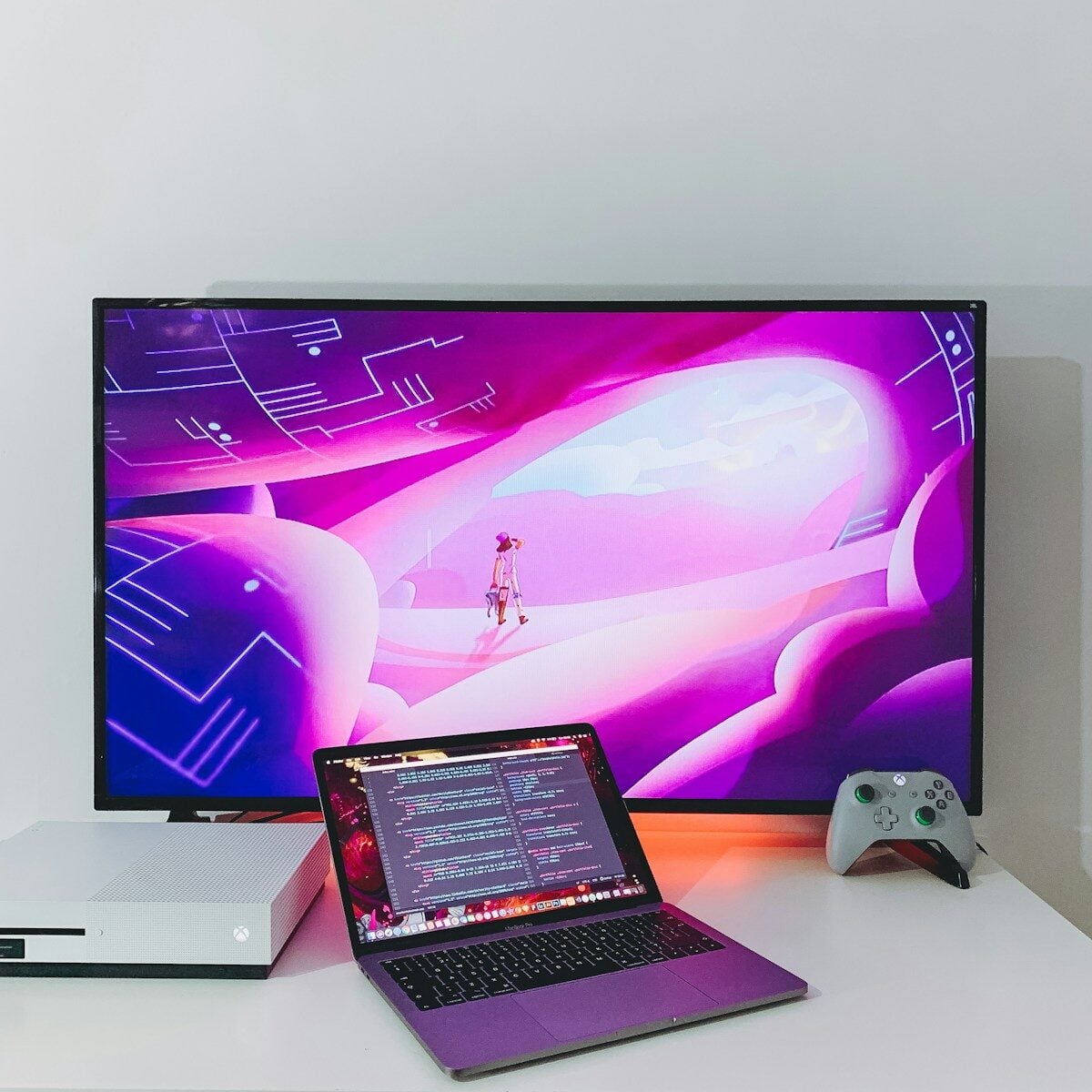
How Cross-Platform Gaming Is Opening Real Doors for Mac Users
Cross-platform gaming spent years as a marketing promise that didn’t quite cash out for Mac users. Studios announced “play anywhere” support, then quietly shipped Windows versions months ahead of anything that touched macOS. That gap has narrowed in ways most gamers haven’t fully clocked yet. Mac players who used to watch from the sidelines now sit inside one of the most active gaming ecosystems the industry has ever produced.
The shift came from several forces converging at once. Apple Silicon raised the performance ceiling. Metal matured as a graphics API. Game engines like Unity and Unreal treat Mac as a real build target instead of a checkbox. Cross-play infrastructure became standard instead of premium. Together, these changes opened up titles, communities, and competitive scenes that used to demand a Windows machine in the same room.
What Mac Gamers Get Today
The most practical change for Mac gamers has been access. Catalogs of multiplayer titles, cooperative experiences, and competitive shooters that used to skip macOS entirely now ship native builds or run cleanly through Apple’s compatibility layers. Players who want to download Mac games that match what their friends are playing on console or PC can finally find equivalent versions rather than compromise alternatives. The library of cross-platform titles for macOS has expanded enough that “is this on Mac?” has flipped from a long shot to a reasonable expectation. AAA shooters, MMOs, indie releases, strategy titles, and party games all have a meaningful presence on the platform now. Whether someone is hunting for blockbuster releases or more obscure aps games, the Mac side of the catalog finally covers most of the bases that matter.
What this means for the day-to-day experience matters more than the catalog numbers. Cross-platform gaming on Mac isn’t just about playing the same titles as Windows users. It’s about being in the same lobby, the same guild, the same tournament bracket. Friend groups split across operating systems can play together without anyone sitting out. Competitive players who own a Mac as their main machine no longer need a separate gaming rig.
The Technical Groundwork
The infrastructure took years to mature. Game engines were historically optimized for DirectX, and porting to Mac required engineering investment small studios couldn’t afford. Apple’s switch to its own silicon flipped the equation. M-series chips handle modern graphics workloads natively, integrated GPU performance has reached levels that rival dedicated cards from a few generations back, and porting toolkits announced by Apple have made the path from Windows to Mac shorter than ever. Cloud gaming adds another layer. Streaming services run the game itself on remote hardware, which means a Mac doesn’t have to render anything locally. A MacBook Air can run titles that would have demanded a desktop tower a few years ago.
What Mac Gamers Actually Get
The benefits show up in places that aren’t always visible from a store page. Progression syncs across devices. A campaign started on a Mac at home picks up on a console at a friend’s place. In-game currency, cosmetics, and unlocks travel with the account, not the hardware. Mac users used to lose progress every time they switched machines. That friction is mostly gone.
Matchmaking pools are deeper. Smaller player bases historically hurt Mac users because Mac-only multiplayer titles struggled to fill servers. When the same matchmaking system serves Windows, Mac, PlayStation, Xbox, and mobile players together, queue times shrink and skill-based matchmaking has enough data to actually work. The competitive experience improves for everyone, but Mac players gain the most because they were the most underserved by isolated pools.
Community features benefit too. Voice chat, guild management, party systems, and tournament tools used to be platform-specific in ways that fractured friend groups. Modern cross-platform titles solve this with unified social systems. Discord, in-game friends lists, and cross-platform parties mean the platform stops mattering when organizing a group.
Where the Gaps Still Exist
The picture isn’t perfect. Some major titles still ship Windows-only or arrive on Mac significantly later. Anti-cheat systems remain the biggest friction point. Kernel-level anti-cheat used by competitive shooters historically didn’t work on macOS, which kept Mac users out of certain ranked ecosystems. The situation is improving as platform holders find workarounds, but it remains the single largest gap in the cross-platform experience.
Performance also varies more on Mac than on a standardized console. A late-model M3 Pro handles modern titles differently from an Intel-based MacBook from 2018, and developers can’t always optimize for the full spread. Mac gamers picking up new releases need to check system requirements more carefully than console buyers do.
Choosing What to Play
For Mac gamers building a library, the practical move is to think cross-platform-first. Titles with active cross-play, native Apple Silicon builds, and a real Mac development pipeline tend to age better than ports that were treated as afterthoughts. Reading patch notes and watching how often Mac builds ship updates relative to Windows builds gives a fast read on whether the studio takes the platform seriously.
Communities matter as much as the games themselves. Mac-specific subreddits, Discord servers, and testing groups surface compatibility issues and workarounds long before official channels acknowledge them. A title that runs well on Mac in 2026 usually has visible community support behind it, not just a checkbox on the store page.
The Mac Gaming Renaissance Has Real Weight Behind It
The defining shift isn’t that Mac gaming exists. It’s that Mac gaming has entered the mainstream conversation. New titles get evaluated on whether they support cross-play with Mac, not whether they tolerate it. Studios announce Mac releases as launch features instead of post-launch promises. For players who want to game on a Mac without compromising on titles, communities, or competitive opportunities, the moment to stop apologizing for the platform passed a while ago.