Up your craft by making the right investments
Photography tours offer amateur photographers the perfect environment to sharpen their skills, experiment with composition, and learn from professionals in real time. However, capturing stunning landscapes or fast-moving wildlife requires more than just enthusiasm; it requires the right technical ecosystem, says Vanessa Rogers.
While it is easy to get overwhelmed by the endless gear options available, amateur photographers looking to maximise their growth should focus on three essential technology categories: mirrorless camera systems, smart lighting and filtration tools, and mobile storage and editing workflows. Here’s a short description of each of the three:
Mirrorless Camera Systems with Smart Autofocus
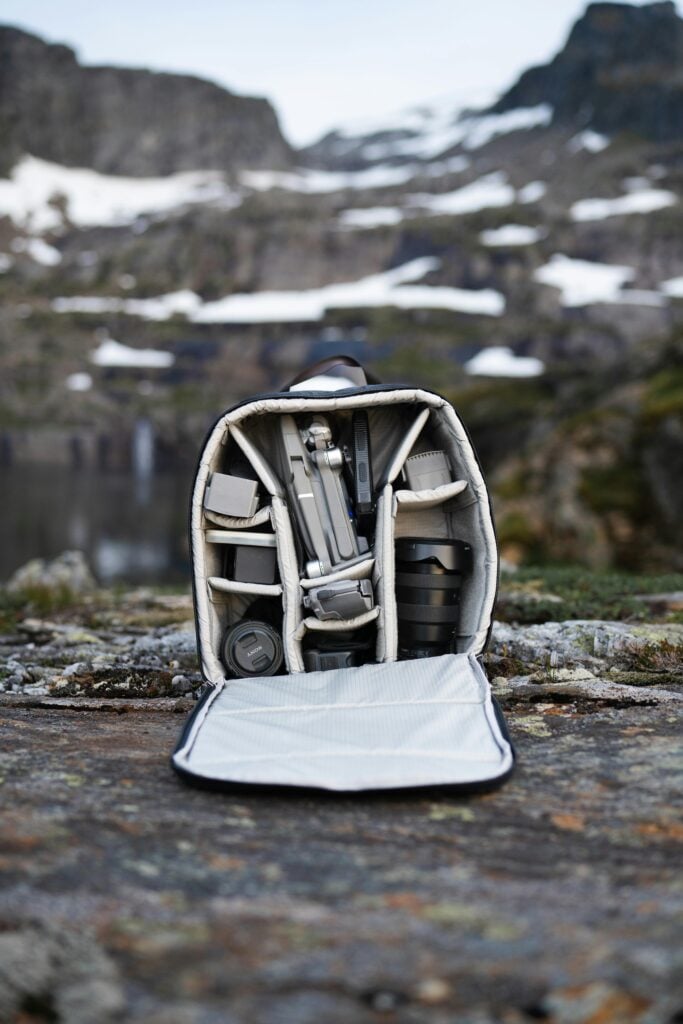
The foundation of any modern photography kit is the camera body and lens system. For photographers who travel frequently on tours, upgrading to a mirrorless camera system is the single best investment. Unlike traditional, bulky DSLRs, mirrorless cameras are lightweight and compact, making them ideal for long days of hiking or walking through cities.
Beyond portability, the primary benefit of investing in modern mirrorless technology is advanced artificial intelligence (AI) autofocus tracking. Current mirrorless sensors feature real-time eye and subject tracking for humans, animals, and vehicles.
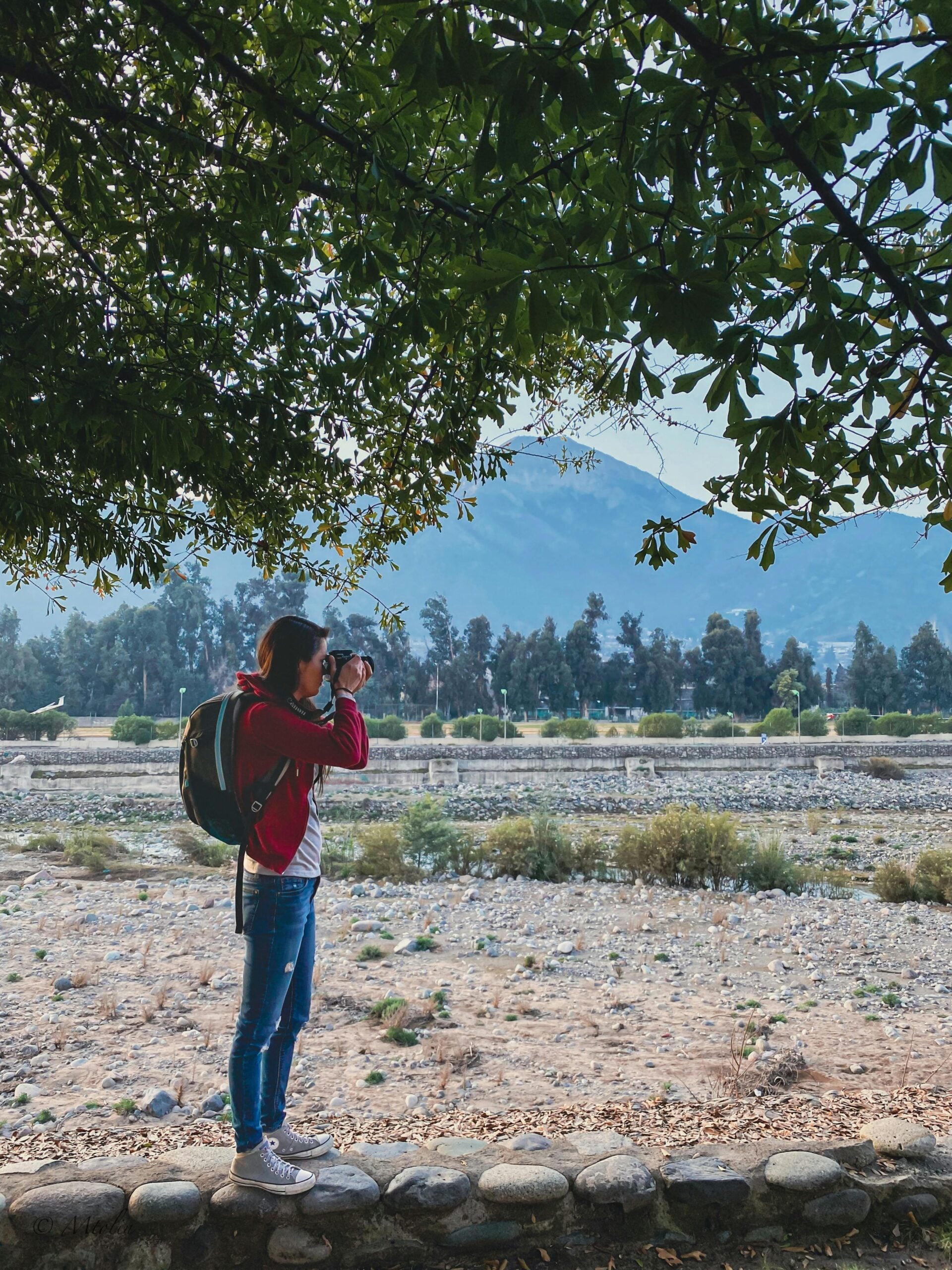
When you are on a fast-paced Chilean photography tour, you often have only a split second to capture a fleeting moment – such as a bird taking flight or a local artisan smiling. AI-driven autofocus removes the technical anxiety of missing focus, allowing amateurs to concentrate fully on artistic composition and framing.
Additionally, look for bodies with In-Body Image Stabilisation (IBIS), which allows you to shoot sharp handheld images in low-light conditions without always needing a heavy tripod.
Intelligent Lighting and Computational Filtration
Photography is fundamentally the art of capturing light. On tours, you cannot control the weather or the sun, meaning you must adapt to harsh midday glare or dim twilight. Investing in modern, intelligent lighting and filtration technology can instantly elevate the quality of your portfolio.
First, consider electronic, variable Neutral Density (VND) filters or smart filter systems. These tools act like sunglasses for your lens, allowing you to control the amount of light entering the camera. They enable amateurs to shoot long exposures during the day – creating silky waterfalls or motion-blurred clouds – without overexposing the image. Second, instead of large, complicated studio strobes, invest in compact, app-controlled LED panels.
Modern bi-colour or RGB LED lights are small enough to fit in a jacket pocket but powerful enough to fill shadows during a portrait session. Because they provide continuous light, you can see exactly how the shadows and highlights fall on your subject before you even press the shutter, thereby accelerating the learning process.
Portable Storage and On-the-Go Editing Workflows
A successful photography tour will yield hundreds, if not thousands, of high-resolution RAW images. Managing this data on the road is critical. There is nothing worse than running out of memory mid-tour, or losing a day’s work to a corrupted card.
Amateurs should invest in a robust, portable backup system. High-speed, rugged External Solid State Drives (SSDs) with built-in SD card slots allow you to back up your photos without needing a laptop. Furthermore, integrating a powerful tablet into your workflow changes the efficiency game.
Modern mobile editing software, such as Adobe Lightroom Mobile or Capture One iPadOS, syncs seamlessly with desktop versions. A tablet allows you to review your shots on a large, high-quality screen back at the hotel each evening. You can quickly flag your best work, analyse your metadata to see which settings worked, and even share edited images with your Chilean photography tour group or instructor for immediate feedback.
By investing in these three pillars, amateur photographers can eliminate technical friction, protect their data, and focus entirely on mastering their craft while out there in the world with their favourite camera.
• Visit Travex.com to see which region holds the most interest when booking your next photography tour.