
ABIT Factory Tour in SuZhou, China
DIP Line
Contents
After quality control from the SMD line, the board go to the manual insertion line, also known as DIP. In this line bigger components that require conventional soldering are inserted, like sockets, connectors, electrolytic capacitors, slots, etc. The board goes on a mat that runs in front of many employees from this section. Each employee is in charge of inserting a single component to the board. The board goes through this line until all components are inserted. After this, the board goes to a soldering tank, where all components are automatically soldered. After that the quality control crew comes in action checking if all soldering spots are perfect or not. After this step employees install BIOS, battery, the chipset heatsink and eventually other components that cannot enter the soldering machine. After this the board is ready to be used.
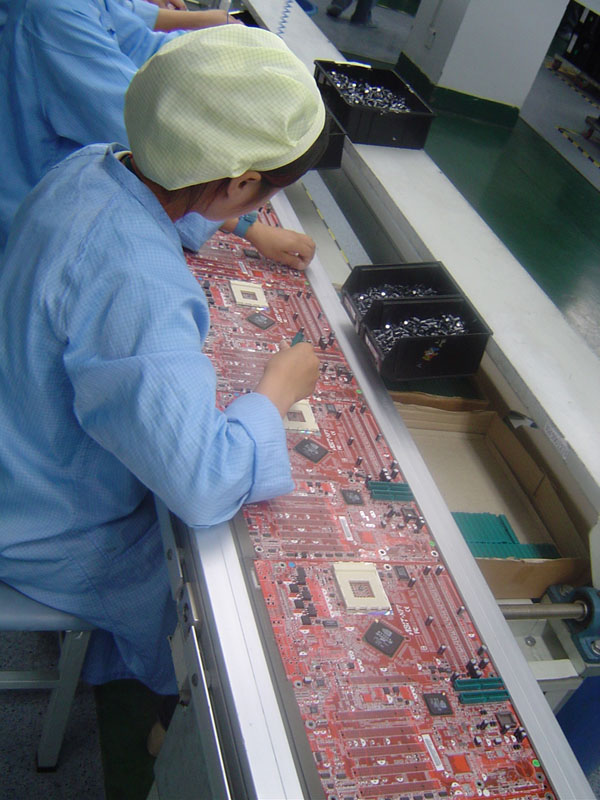 Figure 7: Detail of one of the manual insertion lines from ABIT.
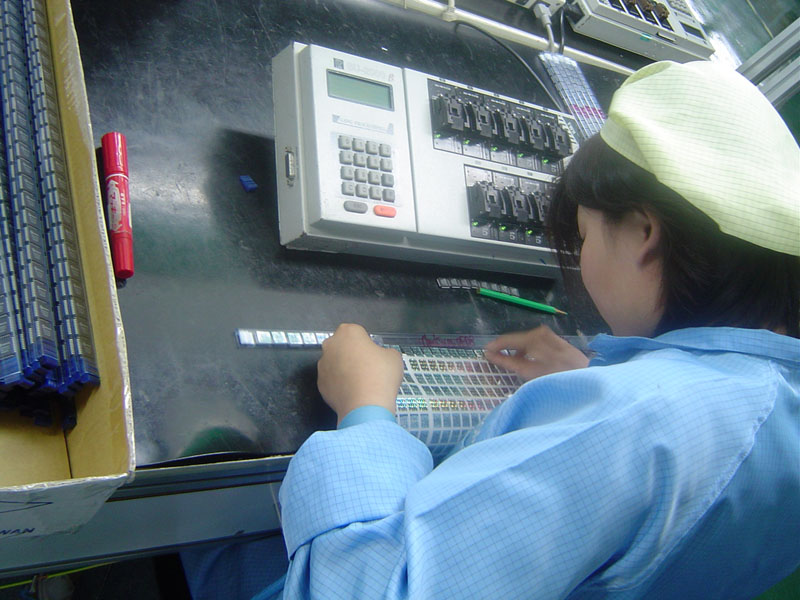
Figure 8: Employee programming the BIOS chip. This process occurs in another area.
 Figure 9: Employees installing the BIOS chip and applying thermal paste on the chipset.