
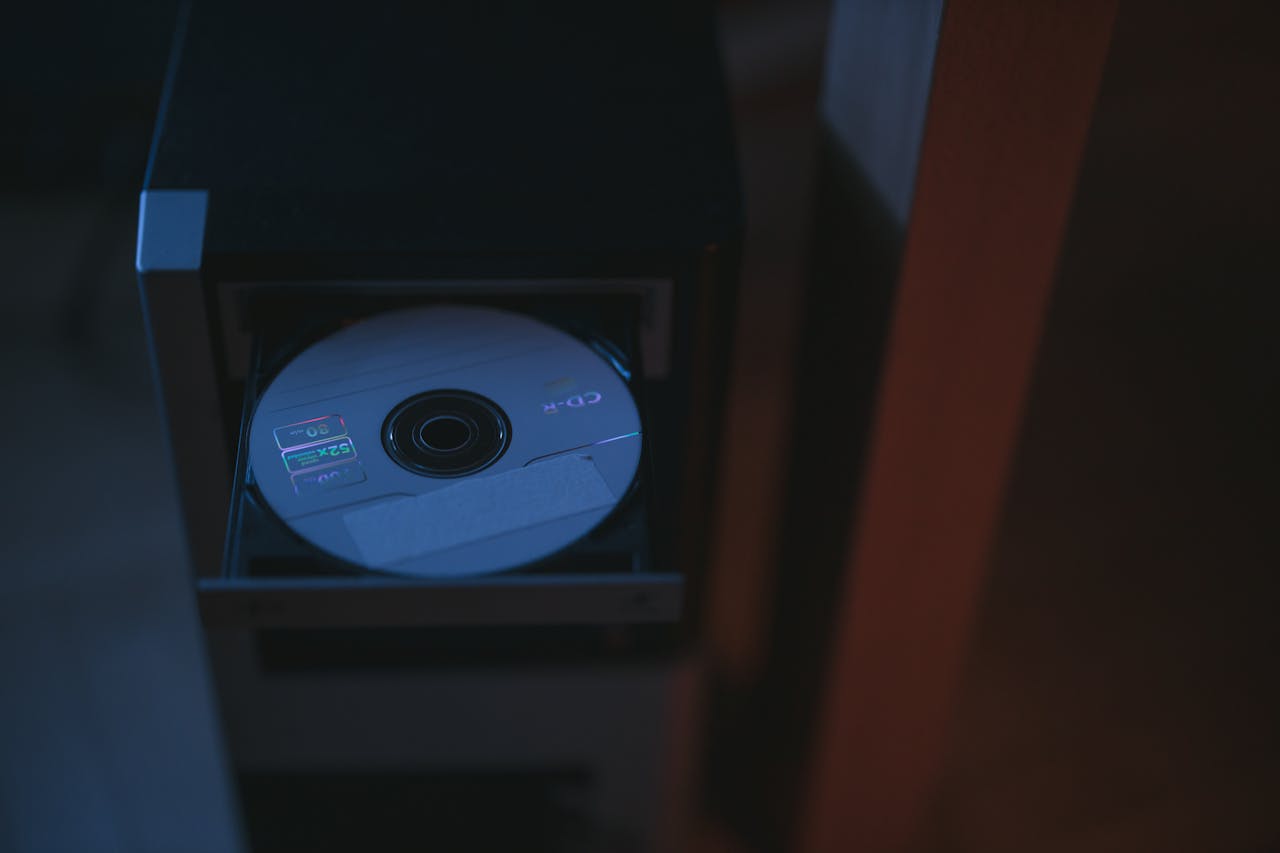
Rediscovering the CD Player: Timeless Sound in a Digital World
The CD player may seem like a relic of the past to some, but for many music lovers and audiophiles, it remains a beloved tool for experiencing high-quality sound. Whether you’re dusting off your old collection or exploring this format for the first time, there’s a lot to appreciate about the humble compact disc and the devices that play them.
In this article, we dive deep into the world of CD players—exploring their history, advantages, types, modern uses, and why they still matter today.
A Brief History of the CD Player
The CD player was first introduced in the early 1980s as a groundbreaking digital alternative to analog formats like vinyl records and cassette tapes. Compact discs, developed jointly by Sony and Philips, offered a cleaner, clearer audio experience with a longer lifespan.
When the first commercial CD player hit the market, it was a luxury item. Over time, prices dropped, and the technology found its way into homes, cars, and portable devices. By the 1990s and early 2000s, CD players were everywhere.
Why CD Players Still Matter
Despite the rise of streaming platforms and digital downloads, CD players still hold a place in today’s audio ecosystem. Here are some reasons why:
1. Superior Sound Quality
CDs deliver uncompressed audio, often sounding richer and more detailed than the compressed formats used by most streaming services. A CD player, especially a high-end one, provides a cleaner listening experience for those who value audio fidelity.
2. Tangible Music Collections
Owning a physical collection of music provides a sense of ownership and nostalgia that digital files can’t replicate. For collectors and music lovers, a CD player offers a way to engage with their library in a more meaningful way.
3. No Internet Required
Unlike streaming services, a CD player doesn’t need Wi-Fi or data. This makes it perfect for road trips, areas with poor connectivity, or users who prefer an offline experience.
4. Affordability
With streaming services requiring monthly subscriptions and digital music files sometimes being costly, buying used CDs and a reliable CD player can be a budget-friendly way to build a music collection.
Types of CD Players
There are several types of CD players, each designed for different use cases. Here’s a breakdown of the most common ones:
1. Home CD Players
These are standalone devices that connect to your stereo system. They often include features like programmable track orders, multiple disc trays, and digital outputs for high-end audio systems.
2. Portable CD Players
Popular in the 1990s and early 2000s, portable CD players like the Sony Discman allowed people to listen to their favorite albums on the go. Modern versions may include anti-skip protection and rechargeable batteries.
3. Car CD Players
Although newer vehicles often come with Bluetooth and USB inputs, many still include CD players for those who carry their music in disc form. Aftermarket car stereos with CD players are also available.
4. Boom Boxes and Shelf Systems
These all-in-one systems typically combine radio, CD, and sometimes cassette or Bluetooth functionality. They’re perfect for kitchens, garages, or offices where you want easy access to music.
5. High-End Audiophile CD Players
Designed for true sound connoisseurs, these devices offer premium components, DACs (Digital to Analog Converters), and features that ensure the cleanest possible playback from your CDs.
What to Look for in a CD Player
If you’re shopping for a CD player, here are some key features and specifications to consider:
1. Playback Formats
Some CD players only play standard audio CDs, while others support MP3 CDs, CD-R, and CD-RW formats. Make sure your player can handle the formats in your collection.
2. Output Options
For home systems, look for digital outputs like optical or coaxial if you want to pair the player with a high-end DAC. For casual use, standard RCA analog outputs work just fine.
3. Anti-Skip Protection
Especially important for portable models, this feature buffers a few seconds of audio to prevent skipping when the device is bumped or shaken.
4. Build Quality
Higher-end models typically have sturdier construction, better vibration damping, and more durable components—resulting in better long-term performance.
5. User Interface
An intuitive display and remote control can make using your CD player more enjoyable, particularly if you have a large music collection.
The Best CD Players on the Market Today
While many manufacturers have shifted focus to digital formats, several brands still make excellent CD players. Here are a few top-rated options across different categories:
- Sony ZSRS60BT CD Boombox – A versatile player with Bluetooth, USB, and radio functions.
- Yamaha CD-S303 – Known for superb audio clarity and build quality.
- TEAC CD-P650 – Combines CD playback with USB and iPod integration.
- Marantz CD6007 – A high-end player with audiophile-grade components.
- HOTT Portable CD Player – A compact, modern take on the classic Discman.
Caring for Your CD Player and Discs
To ensure your CD player continues to perform well, follow these care tips:
1. Keep It Clean
Dust and grime can interfere with the laser lens inside your CD player. Regularly wipe down the exterior and use a lens-cleaning disc when necessary.
2. Store Discs Properly
Avoid scratches by storing CDs in jewel cases and keeping them away from extreme temperatures and direct sunlight.
3. Handle With Care
Always hold CDs by the edges and avoid touching the bottom surface to reduce fingerprints and dirt.
4. Don’t Force the Tray
If the CD tray jams, don’t force it open—this could damage internal components. Refer to the user manual or seek professional repair help.
CD Player vs. Streaming: Is One Better?
Each format has its strengths. While streaming is convenient and offers vast libraries at your fingertips, it often relies on compressed audio. In contrast, a CD player provides consistency, no buffering, and a tactile experience that digital lacks.

For the average listener, both formats can coexist. Many people enjoy streaming on the go but turn to their CD player when they want a focused, high-quality listening session at home.
CD Players in Modern Culture
Interestingly, there’s been a modest resurgence in CD interest, similar to vinyl’s revival. Indie bands are releasing albums on CD again. Some labels are reissuing classic albums. And Gen Z music fans are discovering the thrill of building physical music libraries.
Even new CD players are being designed with retro aesthetics, tapping into nostalgia while offering modern conveniences like Bluetooth connectivity and USB charging.
Environmental Impact: CDs vs Streaming
There’s a surprising conversation happening around sustainability and music. Streaming may seem greener, but the energy required to power cloud servers and transmit data globally is significant. A CD player with a modest collection has a minimal ongoing environmental footprint once manufactured.
For eco-conscious consumers, combining limited CD use with offline playback can reduce reliance on energy-hungry servers.
Final Thoughts: Why CD Players Are Still Worth It
The CD player is more than just a throwback gadget—it’s a reliable, high-quality medium that still has relevance. Whether you’re seeking sonic clarity, a nostalgic connection to your music, or a break from screen time and algorithms, a CD player offers a uniquely satisfying experience.
As digital fatigue grows and interest in physical media rekindles, there’s no better time to rediscover the charm of spinning a compact disc. So plug in your headphones, load up your favorite album, and let the CD player remind you what pure audio enjoyment feels like.