Securing Remote Work: How Companies Use Technology To Protect Work-From-Home Employees
Remote work is thriving as businesses and workers continue to use this setup with great success. Although big companies have pushed for people to come back to physical offices, a new global research shows that about one-third of all employees still work from home. With millions of employees from the technology, design, and customer service sectors working in fully remote or hybrid setups, organizations are now doubling down on cybersecurity as remote workers face a host of digital dangers everyday.
Apart from providing training on cyber-smart practices, companies are also using an array of tools and tech to safeguard their workers and keep sensitive data secure at all times. To create a safe remote workspace, here’s how companies are using technology to protect work-from-home employees and personal networks.
Network and Data Protection
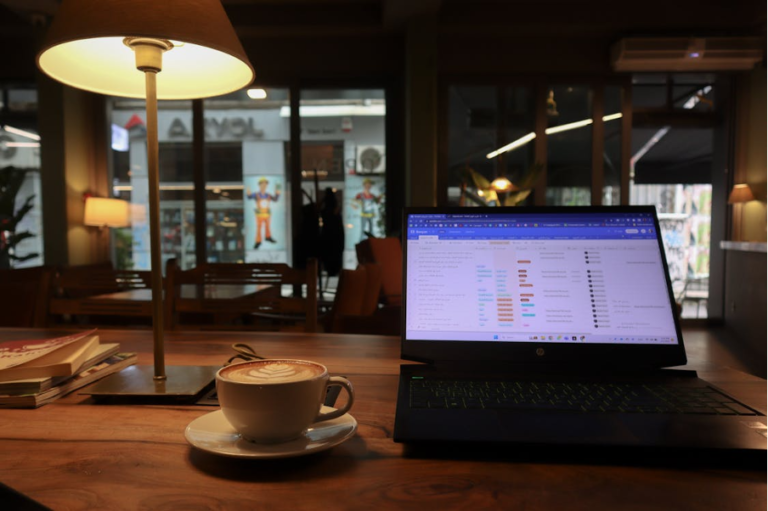
Remote work increases the likelihood of workers using unsecured networks, such as public Wi-Fi. In fact, recent research shows that almost half of all remote workers now work 2 to 3 times per week in cafes or other third spaces, staying between 15 minutes to 4 hours per visit. These places attract laptop workers since they typically have a strong Wi-Fi signal and a warm and welcoming atmosphere, but using public Wi-Fi networks can create security risks such as data breaches or phishing attacks. This also makes remote workers more vulnerable to Man-in-the-Middle attacks, wherein hackers place themselves between laptops and the connection point to intercept or alter data as workers send and receive them in real time.
To protect their remote employees and sensitive data, many companies are providing corporate virtual private networks (VPNs) to remote workers, and these are set up to secure data while allowing access to internal company systems and files. Corporate VPNs allow remote employees to connect safely to their company’s private server instead of relying on ineffective strategies, like using Incognito Mode. Doing so hides browsing history from a public space’s Internet provider, but it doesn’t protect against hackers who are actively tracking public Wi-Fi networks. Also, while commercial VPNs are partially safe from hackers, they don’t stop malware, phishing scams, or account hacks. Corporate VPNs are much safer since they provide a dedicated infrastructure and controlled access, and internal IT teams maintain full visibility over all connections and sessions.
Access Control and Identity
Remote work removes office firewalls, and this makes employee log in identity the main defense against threat actors. Unfortunately, usernames and passwords can be easily stolen, especially if remote or hybrid workers use public Wi-Fi. What’s more, there have been numerous recorded instances of credential leaks, and one of the most massive leaks was discovered in June 2026 wherein 24 billion stolen credentials were reportedly exposed in a public database. The database not only leaked usernames and passwords, but it also revealed where the owner of each credential worked, which can be detrimental for millions of companies all over the world.
Since hackers now target user log-ins and passwords instead of breaking into computer networks, most tech and financial remote businesses have integrated identity security posture management solutions into their systems to strengthen their defenses against cyber attacks. ISPM involves tracking user accounts to ensure that credentials remain valid and authorized, and it also reveals stale accounts before threat actors can hijack them. This solution also prevents over-privileged access, which is common in remote working setups. Remote workers often accumulate excess permissions as they switch accounts, projects, or roles, and ISPM flags these and removes outdated access rights. It can find test accounts, as well as old accounts left behind by workers who have left the company. ISPM also flags weak log-in attempts and tracks whether multi-factor authentication (MFA) is properly deployed.
Device Safety
Personal devices are at risk of malware and data theft since they lack corporate-quality security features, and it’s why more companies are now providing their remote workers with computers or laptops as a way to deter cybercriminals. Company-owned devices provide better access control since employers can restrict network access exclusively to those using corporate-managed laptops. They often come pre-installed with software and collaboration tools from verified and trusted developers, eliminating the need to download pirated software which could be embedded with malware or spyware. Having employees use corporate-owned devices also eases remote troubleshooting for IT staff, and it allows them to automatically enable patches and software updates to make remote work safer.
With more employees choosing to work from home, companies should take active steps to protect their workers from becoming victims of cyberattacks. By prioritizing network protection, access control, and device safety, remote workers can stay safe from digital dangers, and businesses can safeguard their finances and reputation.