Scaling Operations Without Chaos: WMS-Driven Material Flow
The modern fulfillment landscape is defined by volatility, shifting SKU profiles, and the relentless pressure of peak seasons. For many growing businesses, the instinct is to scale by expanding physical square footage or adding more human labor. However, physical growth without digital synchronization often leads to the “scalability wall.” True growth is not about the size of the footprint but about the intelligence of the material flow. Strategic integration of a warehouse management system is the only way to synchronize human labor with high-speed machinery and ensure that every movement within the four walls is purposeful.
The Scalability Wall: Why Physical Growth Alone Is Not Enough
Scaling a warehouse often results in “islands of automation” where individual machines operate at high speeds, but the overall flow remains fragmented and chaotic. This fragmentation occurs when hardware is implemented to address specific bottlenecks, without a central nervous system to coordinate transitions between those points. When a facility relies on manual oversight, spreadsheets, and intuition, it inevitably fails at high volumes. Intuition cannot account for thousands of simultaneous variables in real time; it cannot predict a bottleneck at a packing station while a shuttle system is operating at maximum velocity.
To overcome this, companies must move toward a digital-first approach. A robust software layer ensures that as you add hardware, you are not just increasing capacity but also coordinating it. Without this, as you grow, the operation becomes more complex and less efficient. Manual intervention becomes a bottleneck, limiting the volume a facility can process, regardless of how many conveyors or sorters are installed.
WMS as the Conductor of Material Flow
Beyond basic inventory tracking, a modern WMS must manage dynamic slotting and real-time replenishment logic. It acts as the conductor of an orchestra, ensuring that all material handling equipment speaks the same language. This orchestration requires the software to predict and preemptively resolve conflicts before they impact the floor.
Precision Through Dynamic Slotting
Static slotting is a relic of slower retail cycles. In today’s environment, a warehouse management system must constantly analyze order patterns to reposition inventory. By placing high-velocity items in the most accessible locations, the system reduces travel time and maximizes equipment utilization. This level of granular control enables a facility to maintain high throughput during transitions, such as SKU profile changes or seasonal shifts.
Real-Time Replenishment
The flow of goods is only as fast as the availability of stock at the picking face. Software-driven material flow ensures replenishment is proactive rather than reactive. By analyzing current pick rates against live inventory levels, the system triggers movements from the storage buffer to the picking stations exactly when needed, eliminating the downtime associated with “empty bin” errors.
Optimizing the Storage Buffer and Picking Paths
One of the most significant opportunities for efficiency lies in the use of AI and machine learning to refine pick-paths and reduce travel time within the storage buffer. Traditional solutions follow linear paths; however, intelligent systems can calculate the most efficient route for an operator or robot based on the physical layout and current traffic within the aisles.
This intelligence extends to how the storage buffer itself is managed. Instead of treating storage as a passive area, a WMS-driven approach treats it as a dynamic engine. By synchronizing the storage buffer with the picking stations, the system ensures the right product is always in the right place at the right time, minimizing the movement waste operators often overlook. When the storage buffer is optimized, mechanical stress on material handling systems is reduced, leading to longer equipment lifecycles and fewer unplanned maintenance events.
Eliminating the Chaos of Peak Season
Preparing for 5x or 10x volume increases is a standard requirement for modern logistics, yet many facilities still struggle to meet these demands without hiring massive temporary workforces. Software-driven scalability allows for “burst” capacity. When the software and hardware are fully synchronized, the system can handle increased velocity by optimizing existing paths and equipment speeds rather than relying solely on more hands on the floor.
A synchronized ecosystem of software and hardware can reduce error rates by up to 99.9% even at maximum velocity. This reliability is critical during peak periods, when the cost of a shipping error is magnified by order volume and the high expectations of the end consumer. By removing the burden of decision-making from floor staff and placing it within the WMS logic, the facility maintains a steady, predictable flow regardless of external pressure.
Identifying the Right Performance KPIs
To truly understand if your material flow is optimized, you must look beyond basic metrics. Monitoring performance KPIs allows leadership to identify exactly where friction exists in the system.
- System Utilization: Is your automated equipment running at its engineered capacity, or is it waiting for instructions from the software? Low utilization often points to a software bottleneck rather than a mechanical one.
- Order Cycle Time: The total time from order release to shipping readiness. A WMS-driven flow should keep this number stable or even improve as volume increases.
- Inventory Accuracy: Real-time tracking through a warehouse management system should virtually eliminate the need for manual cycle counts, providing a 100% accurate view of stock at all times.
- Pick Face Availability: A key indicator of how well your replenishment logic is functioning. If pickers frequently wait for stock, the material flow synchronization needs to be adjusted.
The Strategic Value of Data Transparency
Data is the byproduct of a well-integrated system, but it is also the fuel for future optimization. When every movement of material handling equipment is tracked and logged by the WMS, management gains a “digital twin” level of insight into operations. This transparency enables continuous improvement (Kaizen) strategies grounded in hard data rather than anecdotal evidence from the floor.
For leadership, this means the ability to forecast capital expenditure (CAPEX) more accurately. If the data shows that the current warehouse management system is maximizing every inch of the existing facility, the decision to invest in further automation or a new site becomes a calculated move rather than a desperate reaction to capacity issues.
The Future of the Intelligent Warehouse
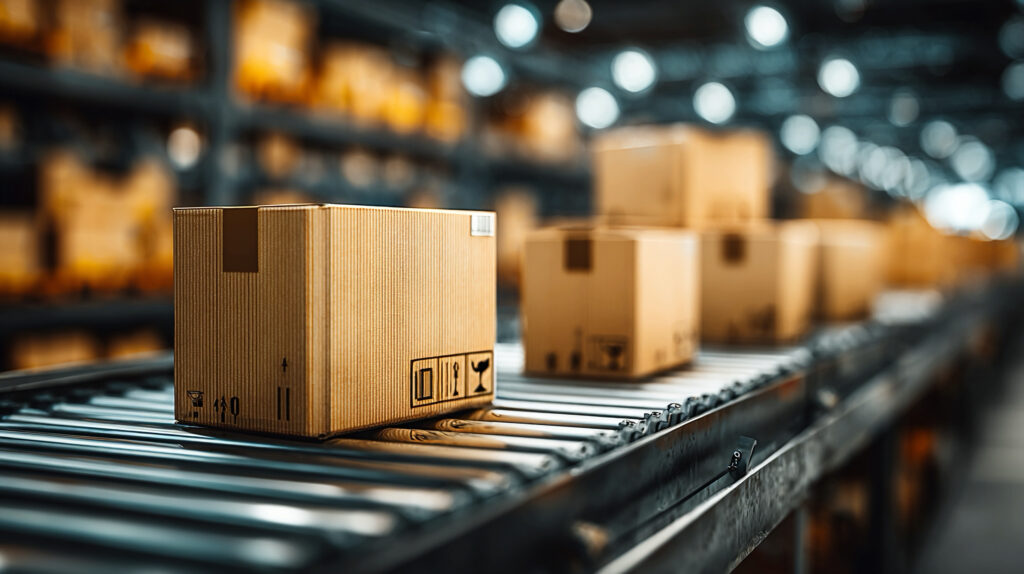
Scaling is no longer about adding more square footage; it is about adding more intelligence to the existing footprint. The most successful facilities are those where the software and hardware are designed to speak the same language. As the demands on fulfillment centers continue to evolve, the ability to orchestrate material flow through a centralized, intelligent “brain” will be the primary differentiator between those who struggle with growth and those who thrive.
The journey to an optimized warehouse begins with the realization that hardware is the muscle, but software is the mind. When these two work in perfect harmony, the result is a seamless, scalable operation capable of meeting any challenge the market throws its way.