
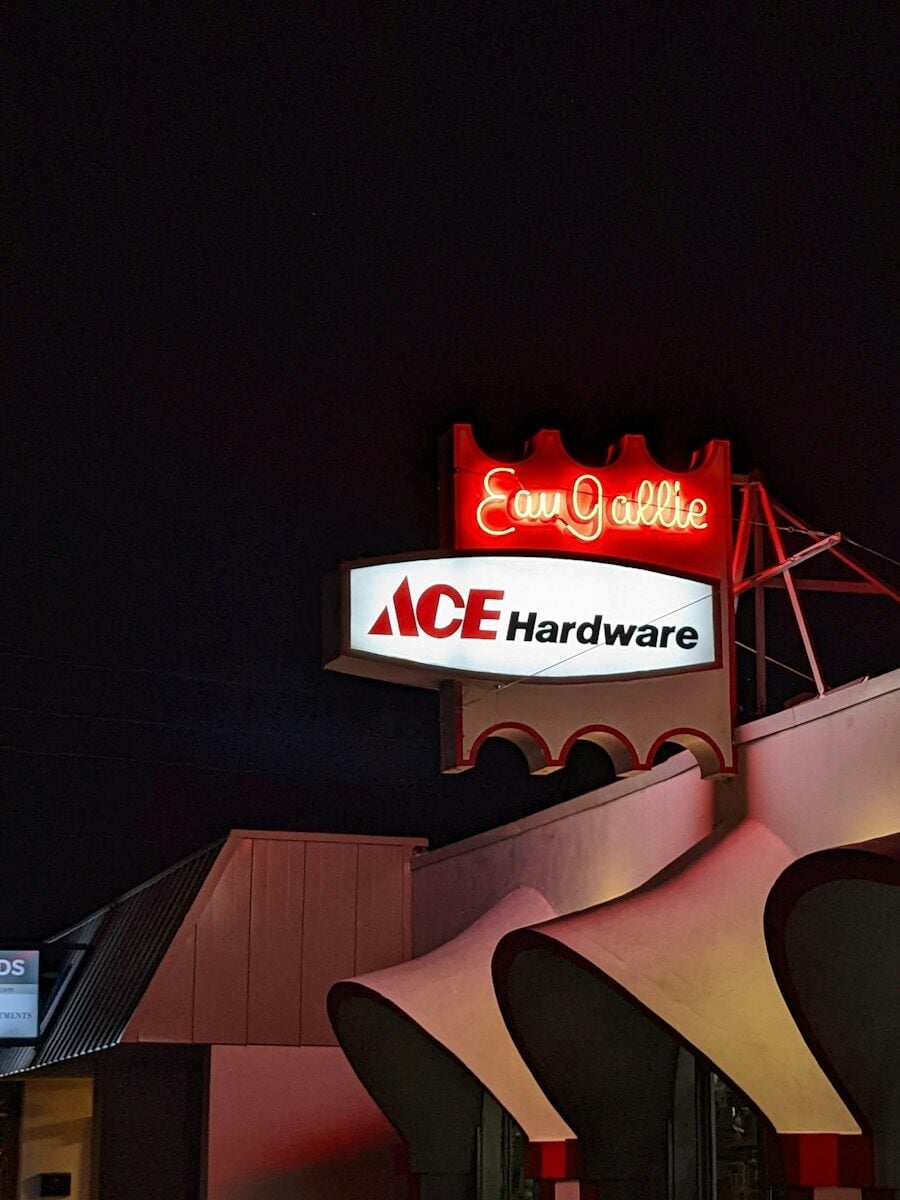
The Ace Hardware Playbook: How Cooperative Retail Outsmarts Big Box Giants
At a Glance
- Core Model: Retailer-owned cooperative with over 5,000 independent stores globally.
- Key Advantage: Hyper-local convenience, personalized customer service, and community-tailored inventory.
- Market Position: Positioned as the neighborhood alternative to massive warehouse home improvement chains.
- Primary Offering: Hardware, lawn and garden supplies, tools, paint, and niche DIY project consulting.
If you are looking to skip the cavernous aisles and endless walking required by warehouse retailers, visiting ace hardware offers a refreshing return to neighborhood-centric commerce. Navigating home renovation projects, sudden plumbing emergencies, or weekend gardening tasks often brings a choice between massive corporate home centers and smaller community stores. Understanding how this unique cooperative model operates helps you decide when local convenience beats warehouse scale.
The Anatomy of a Retail Cooperative
What makes this brand different from traditional retail chains? Unlike corporate giants owned by shareholders or private equity, ace hardware operates as a retailer-owned cooperative. Every local storefront is independently owned and operated by entrepreneurs who hold equity in the parent organization.
This structure changes how stores function day-to-day. Local owners have the flexibility to stock inventory that reflects regional demands—such as specific snow removal tools in northern climates or specialized drought-tolerant landscaping gear in arid regions. Corporate headquarters acts primarily as a massive distribution and marketing engine, allowing independent operators to leverage global supply chain efficiencies while maintaining local autonomy.
Ace Hardware vs. Big Box Giants: A Comparative Analysis
Choosing where to buy tools and building materials depends on project scope, pricing priorities, and time constraints. The table below outlines how independent hardware stores stack up against massive warehouse centers.
| Feature | Local Cooperative Model | Big Box Warehouse Centers |
| Store Footprint | Compact (typically 10,000 to 15,000 sq. ft.) | Massive (often 100,000+ sq. ft.) |
| Average Trip Duration | 10 to 15 minutes (in-and-out convenience) | 45 to 60 minutes (walking and line waiting) |
| Staff Expertise | High; experienced personnel offering tailored advice | Variable; often dependent on department staffing levels |
| Inventory Focus | Everyday repair, hardware, paint, niche tools | Lumber, bulk building materials, appliances, major installations |
| Pricing Strategy | Competitive on convenience items; occasional premium | Aggressive baseline pricing on volume goods |
The True Pros and Cons of Shopping Local
Every retail model involves trade-offs. Weighing the advantages against the limitations ensures you select the right supplier for your specific project needs.
Pros
- Unmatched Convenience: Smaller store sizes mean you can park near the entrance, find a bolt or screw within minutes, and check out without waiting behind shopping carts full of plywood.
- Expert Problem Solving: Staff members often possess trades backgrounds or years of retail experience, allowing them to diagnose plumbing leaks or match paint shades accurately on the first try.
- Community Investment: Dollars spent at locally owned branches stay within the regional economy, supporting local employment and community initiatives.
Cons
- Limited Bulk Inventory: Major structural lumber packages, large-scale drywall orders, and heavy commercial appliances are rarely stocked in deep quantities.
- Higher Price Points on Certain SKUs: Without the aggressive volume leverage of massive corporate chains, smaller stores sometimes carry slightly higher price tags on select manufactured goods.
- Fewer Brand Varieties: Shelf space constraints mean stores must curate top-performing brands rather than offering every niche alternative on the market.
Step-by-Step Guide to Maximizing Your Store Visit
Walking into a local hardware shop with a clear plan saves time and ensures you leave with the exact components needed for successful project completion.
- Diagnose and Measure First: Take clear photographs of the broken part, fixture, or space on your smartphone. Bring old washers, stripped screws, or worn-out gaskets directly to the counter.
- Consult the Staff Immediately: Skip wandering the aisles aimlessly. Experienced store associates can direct you to the exact aisle and bin within seconds.
- Utilize In-Store Services: Take advantage of complimentary services such as key cutting, glass cutting, screen repair, and custom paint color matching.
- Leverage Online Reserve-and-Pickup: Use digital platforms to check local shelf availability before driving over, securing items for quick pickup at the front counter.
Practical Examples and Common Mistakes
Applying strategic thinking to hardware shopping prevents costly project delays and frustrating return trips.
Practical Examples
- The Plumbing Fitting Dilemma: Instead of guessing the thread pitch of an old brass compression nut, bringing the entire assembly into the store allows an associate to match it instantly with a precise replacement part from specialized specialty drawers.
- Custom Paint Matching: Rather than trying to match an interior wall color from a faded paint chip under fluorescent lighting, cutting a quarter-sized drywall sample lets the color-matching spectrophotometer deliver an exact match.
Common Mistakes to Avoid
- Assuming Bulk Lumber Availability: Expecting to load a full pallet of framing lumber or roofing shingles for a major room addition is a frequent error. Major structural framing materials are best reserved for dedicated lumber yards or large warehouse centers.
- Discarding Broken Hardware Pieces: Throwing away a fractured bracket or bent hinge before visiting the store makes identification difficult. Always bring the remnants along to guarantee an exact sizing match.
- Ignoring Rewards Programs: Failing to join local loyalty programs means missing out on targeted seasonal discounts, free delivery perks on bulky items, and member-only manufacturer rebates.