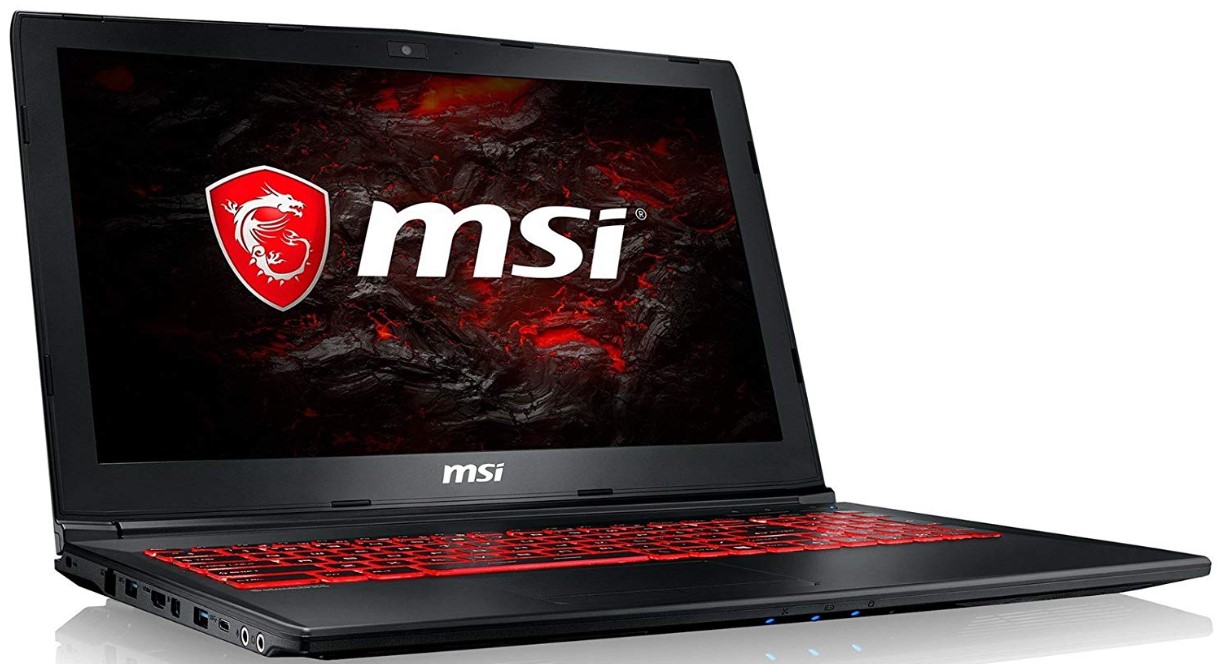
Why Are Gaming Laptops Expensive?
Gaming laptops have usually been more expensive than their non-gaming counterparts for a long time, fetching prices of 3,4 or $5000, maybe more when brand new. But why does the upper end of the market feature models that cost this much? You could easily build a higher-spec gaming desktop for less money.
Based on what we’ve seen over the past few years, there also isn’t much evidence to make us think gaming laptops will get cheaper anytime soon. So what gives? There’s actually a fairly good reason for the price difference; here’s what we found out.
What sets gaming laptops apart?
When we compare a laptop to your average Dell Inspiron series, it becomes evident that the quality of the average gaming laptop has been levelled up in almost every way. From the processor to the screen quality and memory, everything about a gaming laptop seems optimised to improve the gaming experience. But do these features really make it worth the price bump?
Why are gaming laptops so expensive?
To understand why gaming laptops fetch such high prices, we need to understand the time and effort that goes into making them. So here are some reasons why gaming laptops can be so expensive:
1. The cost of building the laptop
You might already know that part of the reason these laptops tend to be so expensive is that it takes a significant amount of engineering to fit high-performance GPUs and CPUs into the power and thermal envelope of a laptop. Unlike desktops, laptops only have so much room for cooling and power delivery, and developing solutions to make it all fit costs a lot of money.
Cooling solutions in gaming laptops often involve complex systems like vapour chambers, multiple heat pipes, and high-performance fans. These are necessary to dissipate the heat generated by powerful components in a small form factor. The engineering required to design these efficient cooling systems and the cost of the materials themselves contribute a huge amount to the overall price of the laptop.
2. Complicated manufacturing and material costs
As time passes, we’re constantly demanding faster speeds and higher performance in our computers. Because of this, it’s become more difficult to guarantee signal integrity over the tiny traces that move data between different parts of your computer.
Instead of a circuit board (PCB) built from four or six layers and one ounce of copper, you might have an eight-layer PCB with two ounces of copper to prevent too much signal loss. Not only is this more difficult to design and manufacture, but some of the raw materials have also gotten more expensive. The price of copper, for example, spiked during the pandemic and hasn’t returned to pre-pandemic levels yet so they’re still sitting up there.
There was also a well-publicised chip shortage not too long ago if you might recall, and it’s not like GPU companies just lowered prices out of the goodness of their hearts after the supply situation improved. This also applies to power delivery. Newer hardware demands more power phases and different, more expensive controllers.
The per-unit cost difference might only be around a dollar, but when you think about how many components there are inside of a laptop that need upgraded infrastructure, the price adds up pretty fast.
3. Higher-end hardware
While these general concepts could also apply equally to desktops, understanding why gaming laptops are so pricey involves looking at some laptop-specific factors. As games have gotten more demanding, gamers have needed more powerful CPUs and GPUs. However, it isn’t just higher-end chips and the necessary supporting hardware that have driven up gaming laptop prices.
As more and more users and tech media have given laptop manufacturers feedback about what they want, the general consensus has been that there is a desire for higher-quality features. Enhancements like metal instead of cheap plastic for the various parts of the chassis, USB power delivery ports instead of barrel connectors, and nicer displays with higher refresh rates and resolutions, better-viewing angles, contrast, and HDR support.
Simply put, expectations for raw performance and integrated peripherals, fit, and finish have gone up. As a result, the prices have reflected this as manufacturers try to achieve what customers want.
4. Upgrades
Laptops are highly integrated products, so if you put in one piece of higher-end hardware, you’ll likely need another piece of higher-end hardware to support it, which pretty much doubles the cost.
For example, upgrading to a high-resolution display often requires a more powerful GPU to use it properly. As a result, you might also need a better cooling system to handle the additional heat output. This domino effect of upgrades necessary to maintain balance and performance across the laptop adds significantly to the overall cost.
5. How the markets work
While mid-range gaming laptops are still pretty capable, you might end up compromising on something you may not want to. Given the way the market is, it doesn’t look like we’ll be in for much price relief at the higher end in the coming years. As technology advances and consumer expectations rise, manufacturers continue to push the boundaries of what gaming laptops can offer, often at a premium price.
Final thoughts
While gaming laptops can be ridiculously expensive, factors like engineering and materials offer an acceptable reason for why they’re so darn expensive. But hey, if you want the premium experience, you’ll pay premium prices, right? However, when buying a gaming laptop, you don’t always have to go new because refurbished laptops will give you all the best quality at a fraction of the price.