
3R System AK6-500M Power Supply Review
Primary Analysis
Contents
On this page we will take an in-depth look at the primary stage of the 3R System AK6-500M. For a better understanding, please read our “Anatomy of Switching Power Supplies” tutorial.
This power supply uses one U15K80R rectifying bridge, which isn’t attached to a heatsink. Unfortunately, we couldn’t find the exact datasheet for this bridge, but we can assume it is a 15 A component. (The real limit is lower, as this bridge isn’t attached to a heatsink.) So in theory, you would be able to pull up to 1,725 W from a 115 V power grid. Assuming 80% efficiency, the bridge would allow this unit to deliver up to 1,380 W without burning itself out. Of course, we are only talking about these particular components. The real limit will depend on all the components combined in this power supply.
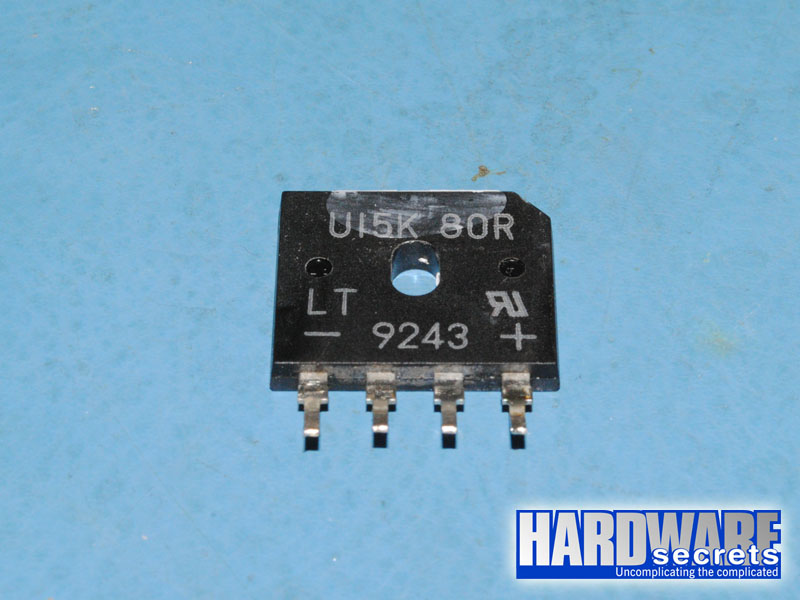 Figure 9: Rectifying bridge
The active PFC circuit uses two SPP20N60C3 MOSFETs, each one supporting up to 20.7 A at 25° C or 13.1 A at 100° C in continuous mode (note the difference temperature makes), or 62.1 A at 25° C i
n pulse mode. These transistors present a 190 mΩ resistance when turned on, a characteristic called RDS(on). The lower the number the better, meaning that the transistor will waste less power, and the power supply will have a higher efficiency.
The output of the active PFC circuit is filtered by one 270 µF x 400 V electrolytic capacitor from Asia’x, labeled at 105° C.
In the switching section, another two SPP20N60C3 MOSFETs are employed using the traditional two-transistor forward configuration. The specifications for these transistors were already discussed above.
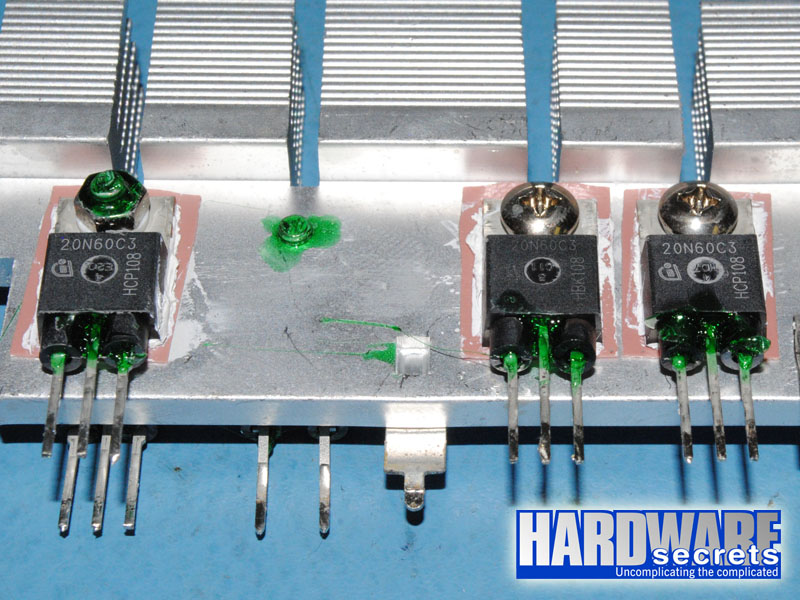 Figure 10: One of the active PFC transistors and the switching transistors
The primary is managed by a CM6802 active PFC/PWM combo controller.
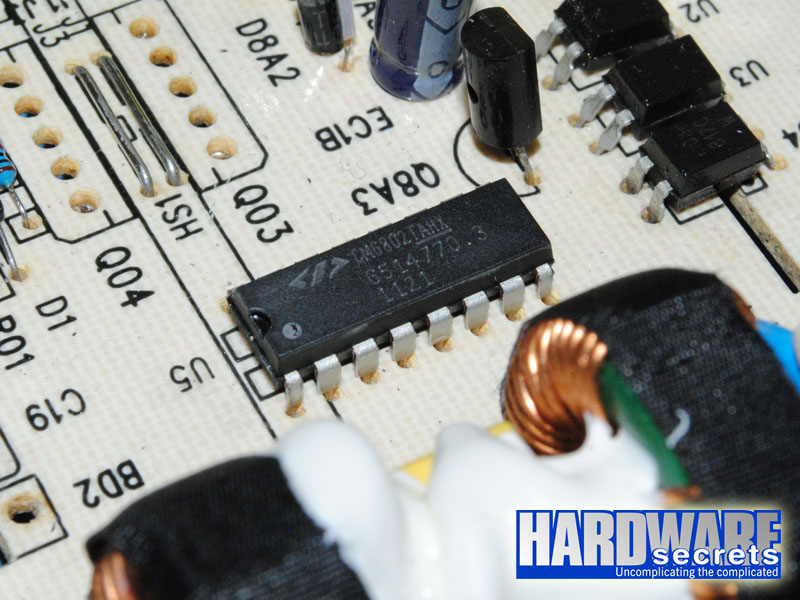 Figure 11: Active PFC/PWM combo controller
Let’s now take a look at the secondary of this power supply.